CommuneCheck
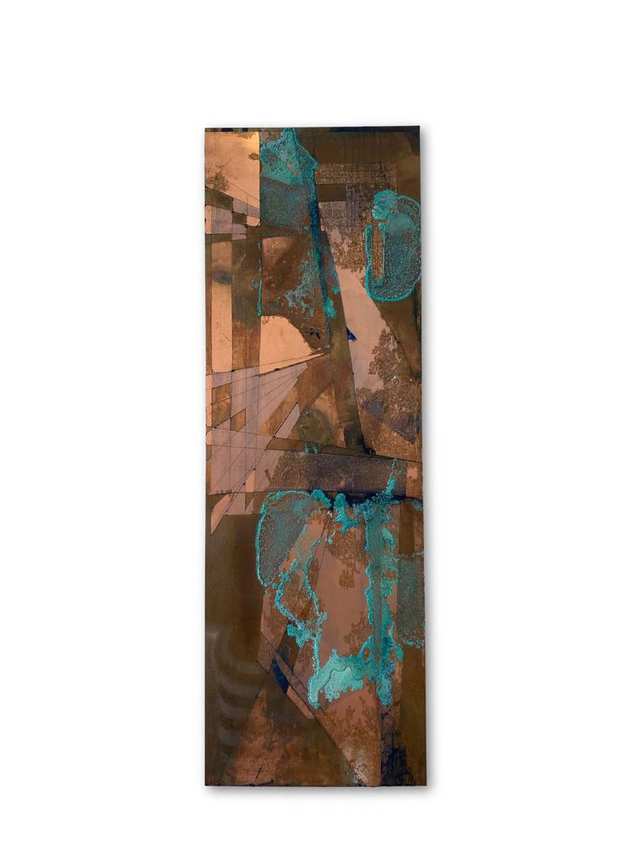
2024
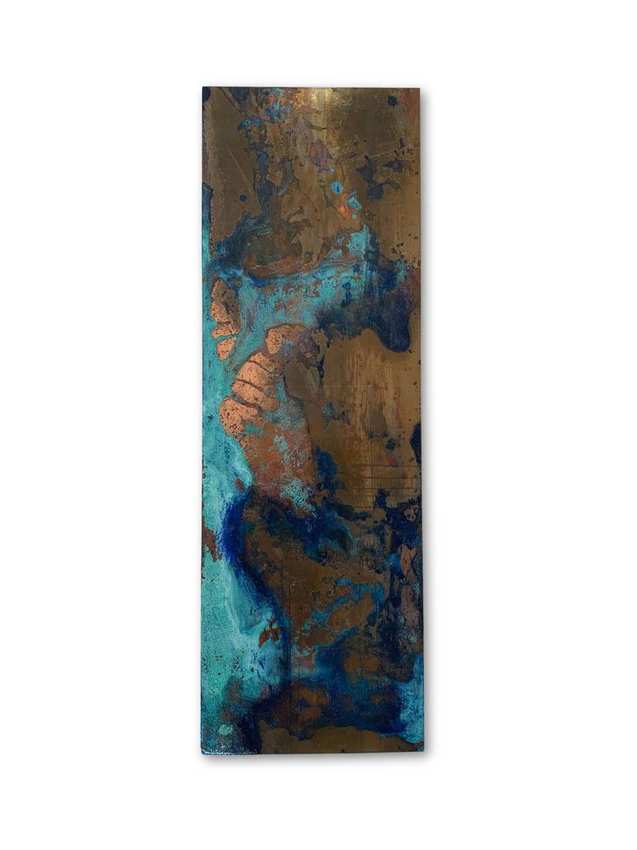
Mixed media on copper sheet
60 × 20 × 2.5 cm




Filter by medium, by theme, or by both at once. Unfiltered, works are grouped by medium.
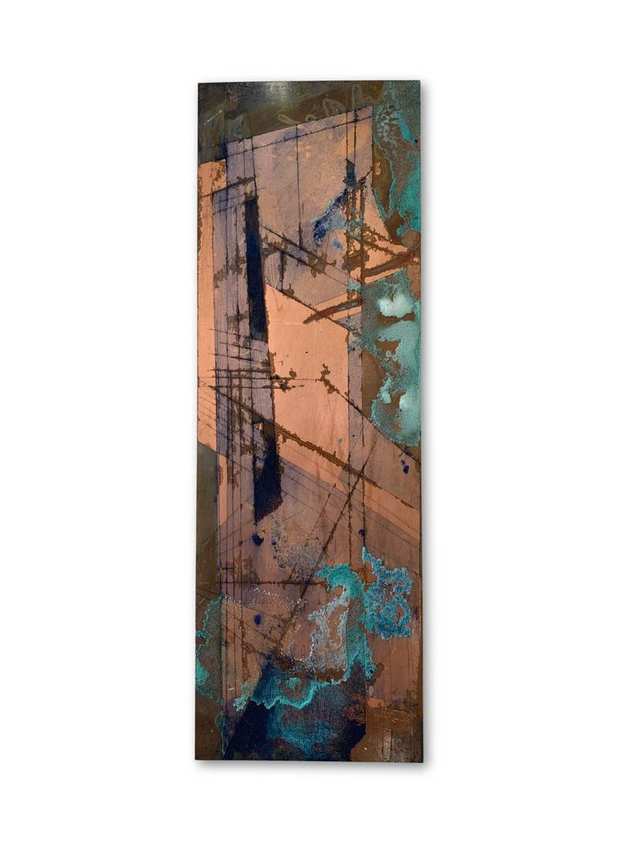
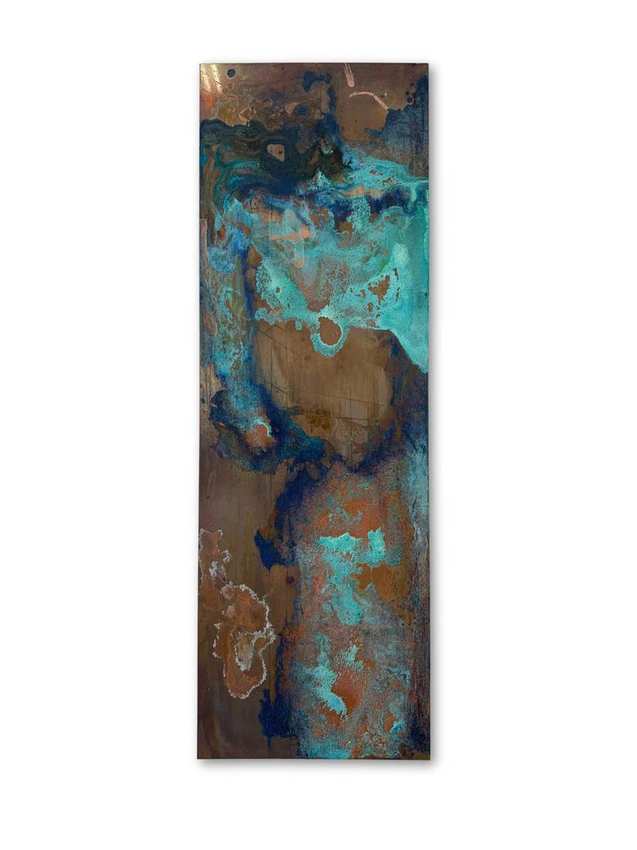
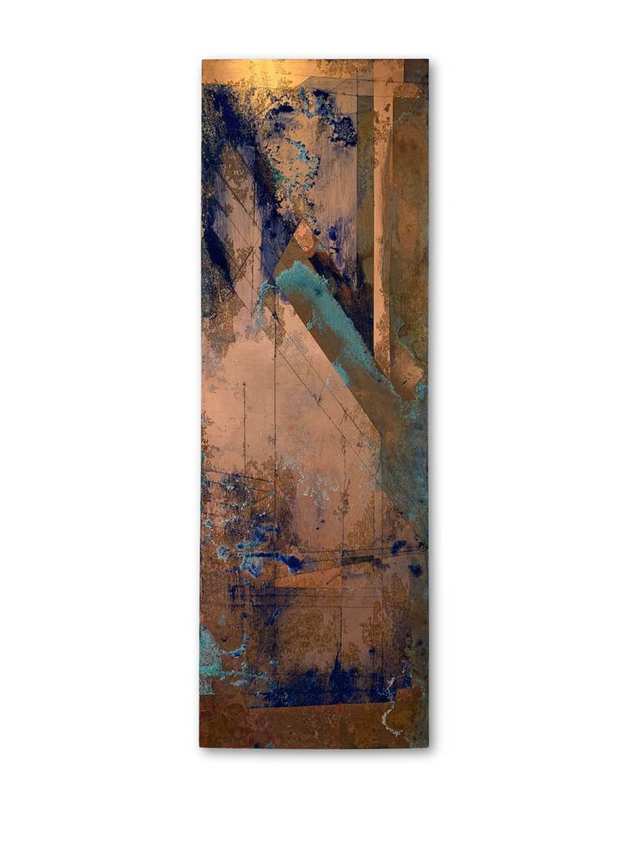


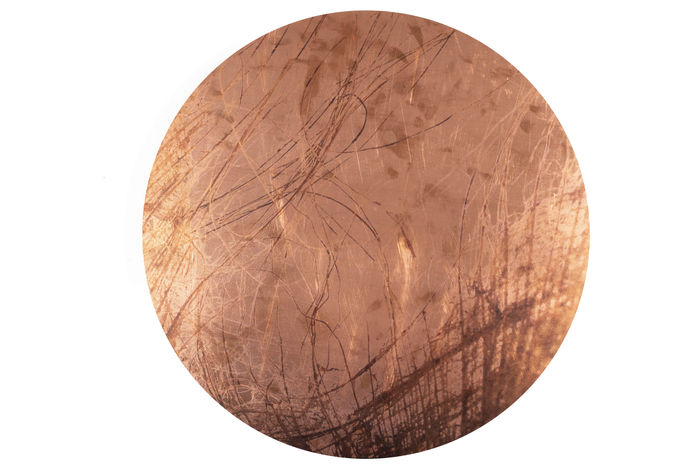


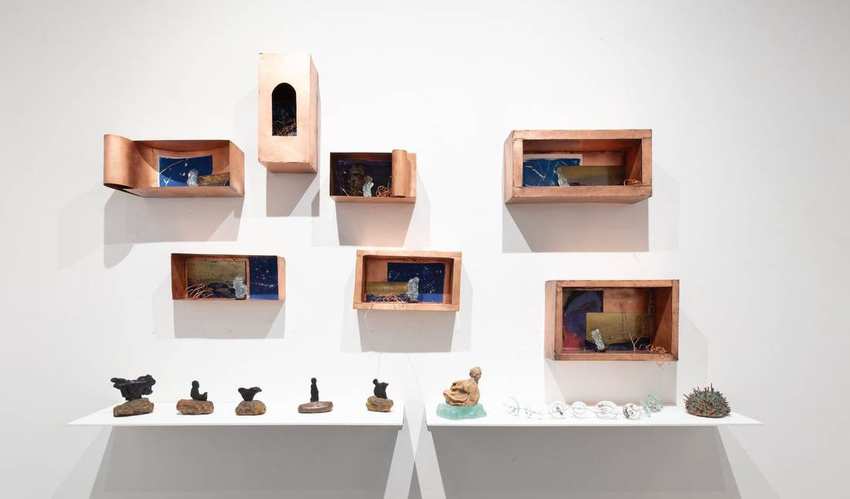

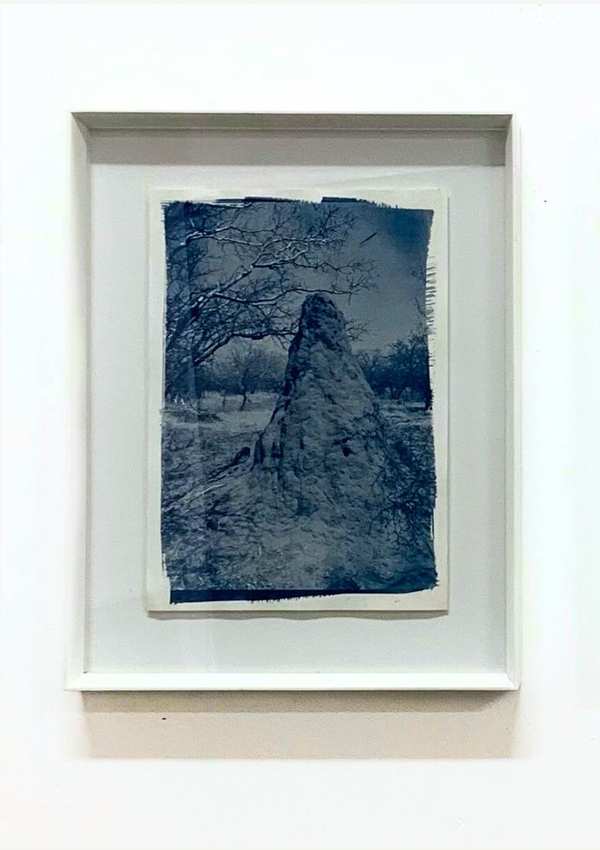
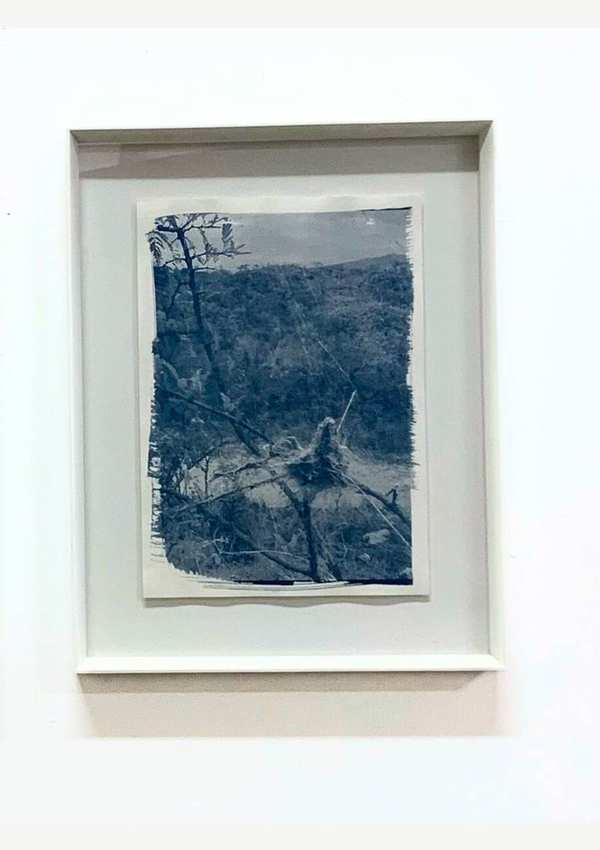
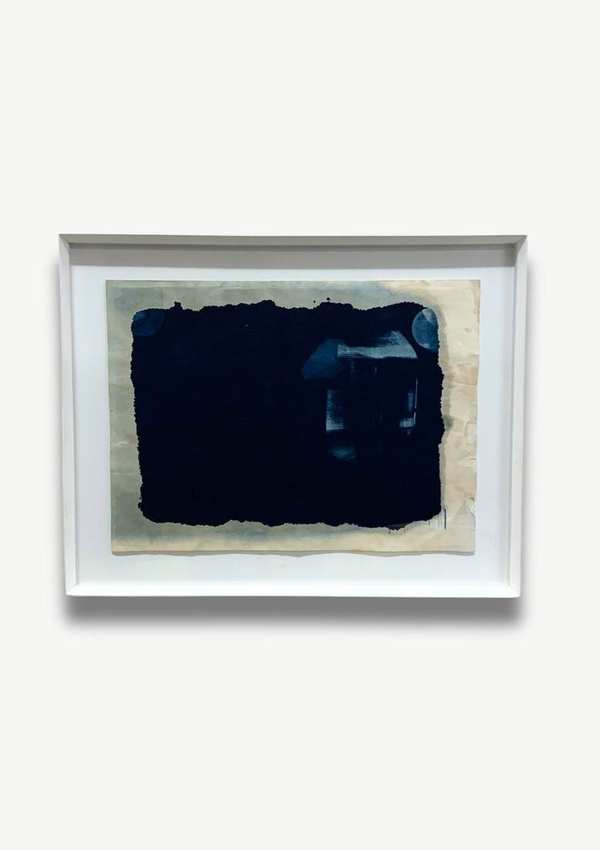
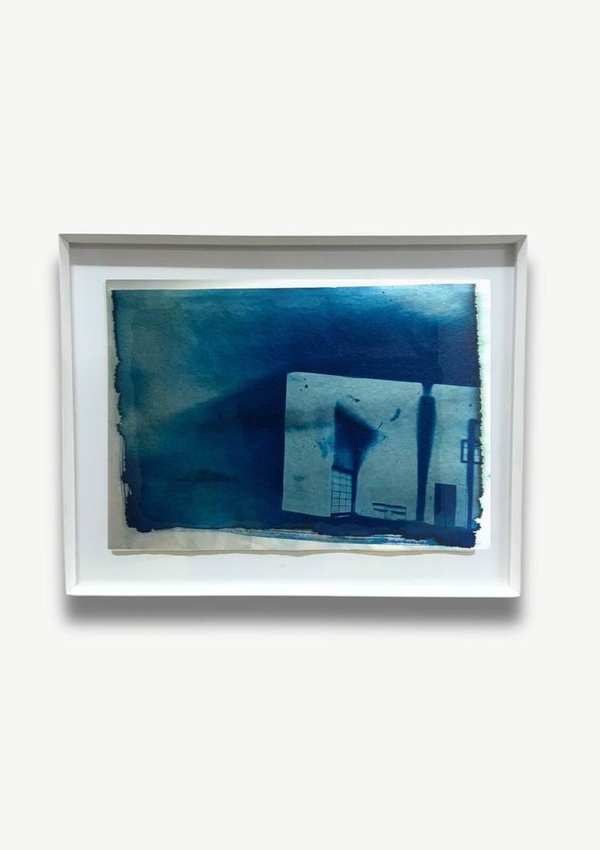
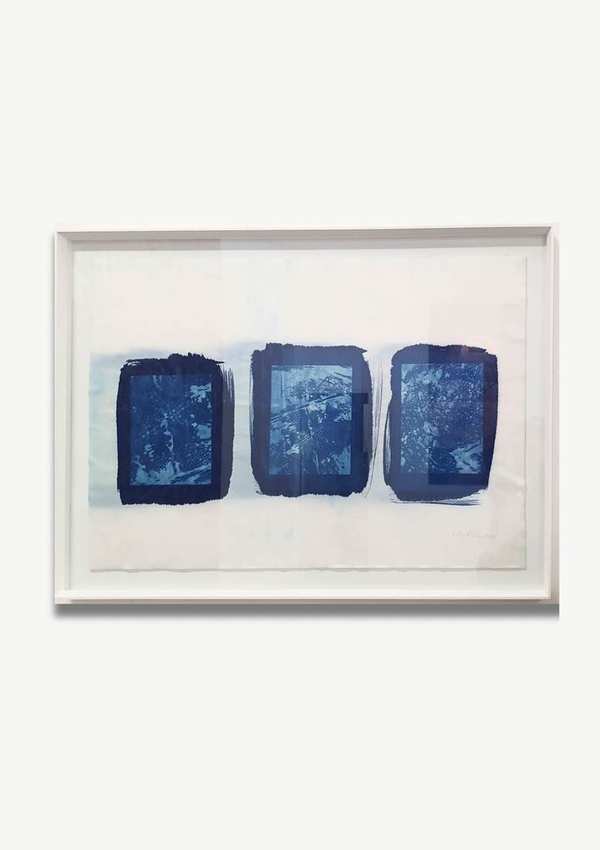
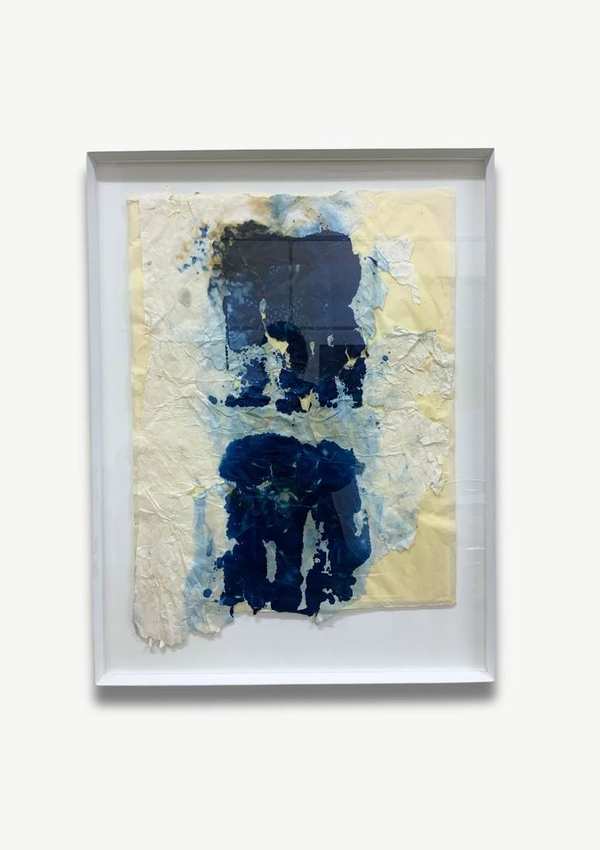


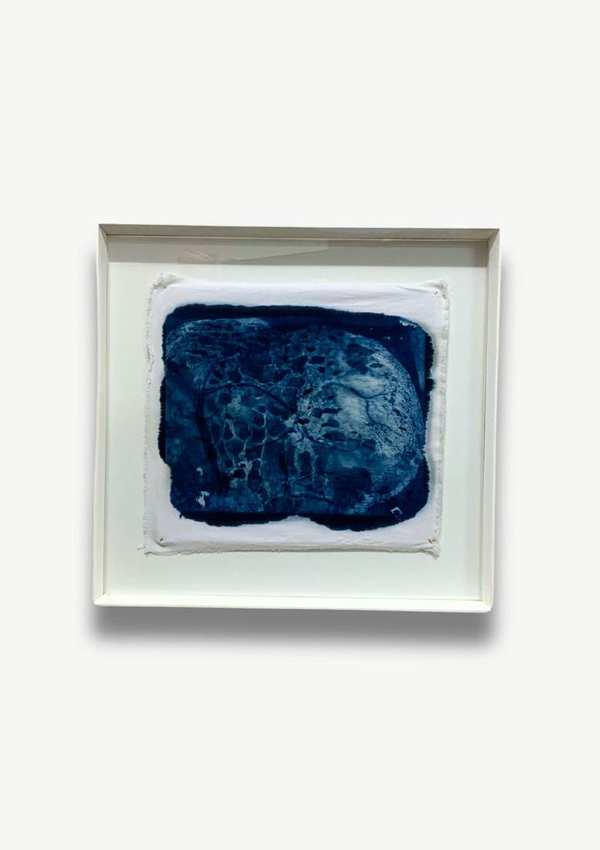


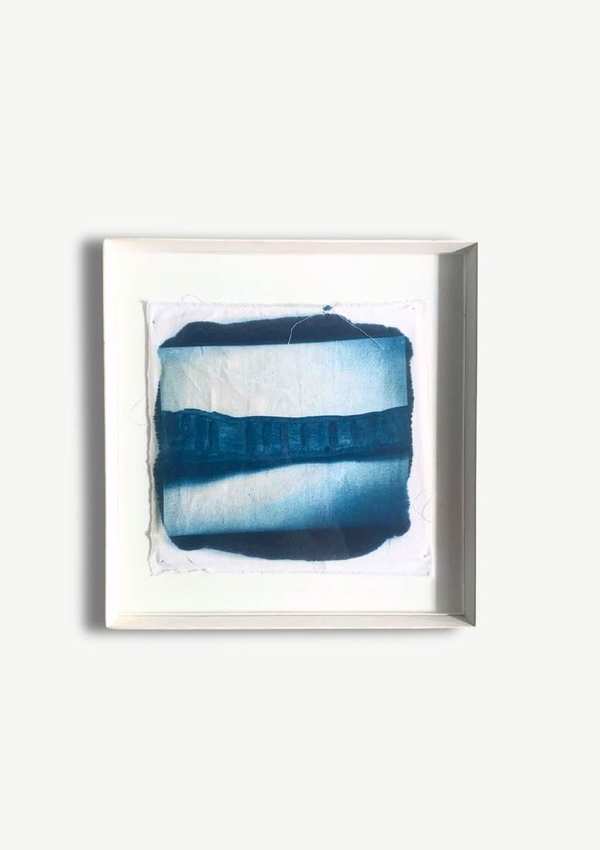
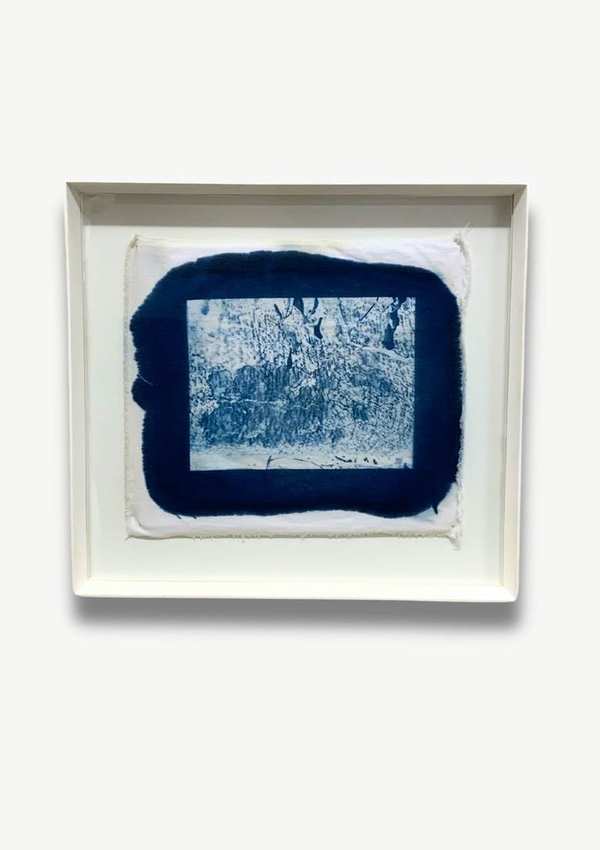
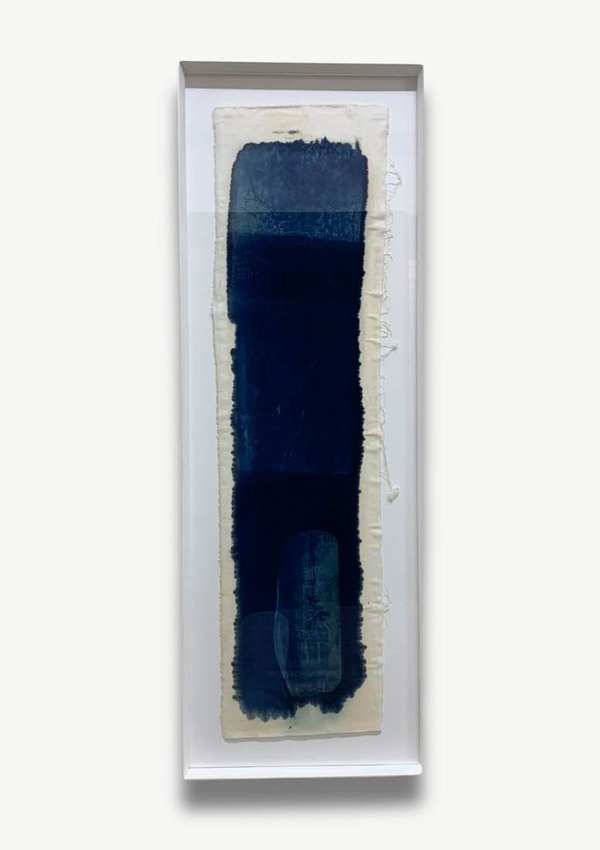
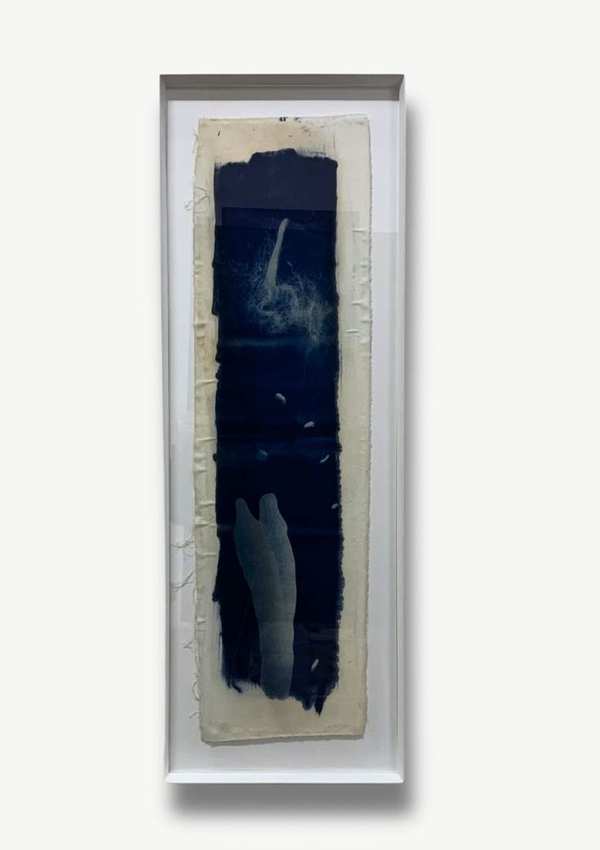

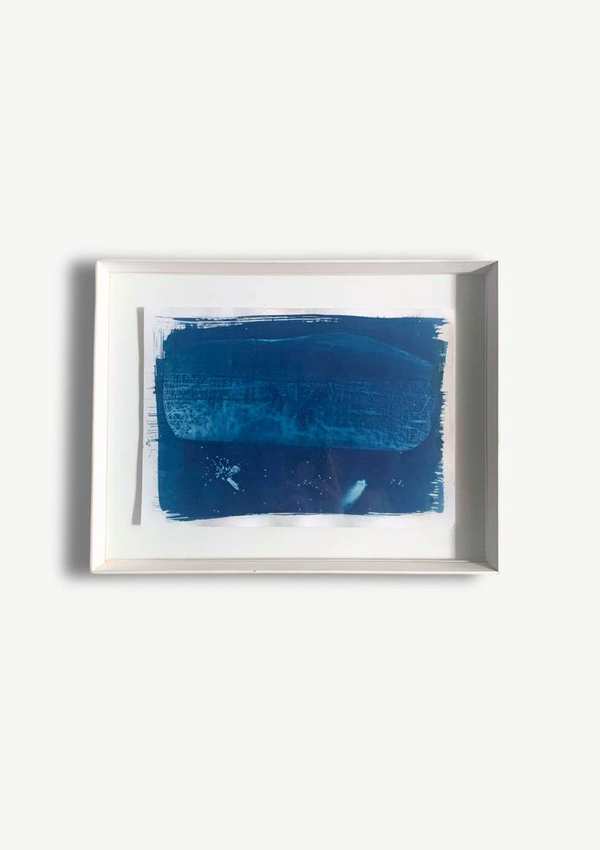


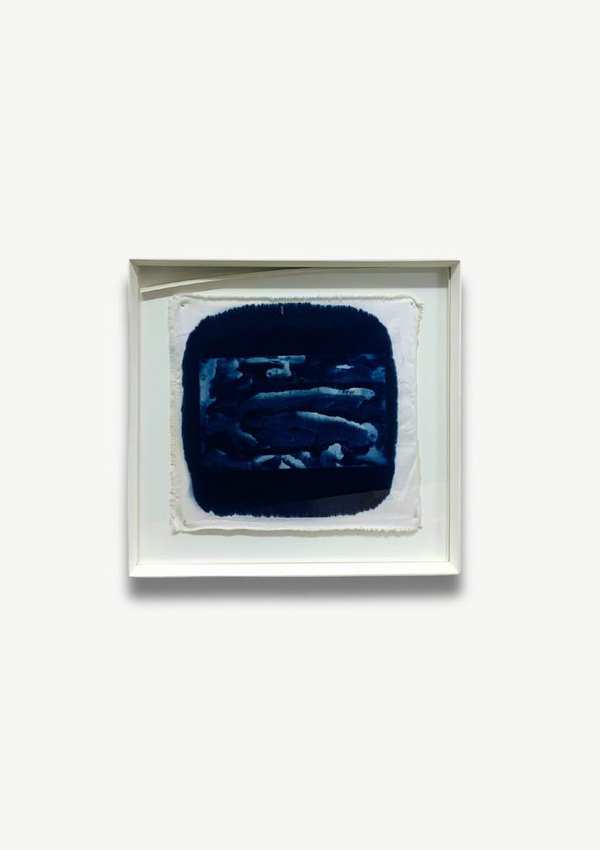

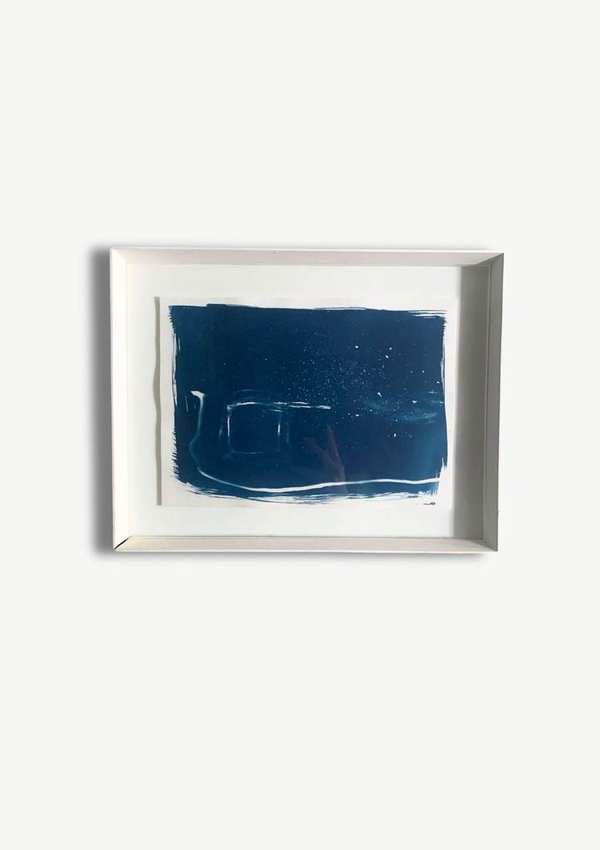


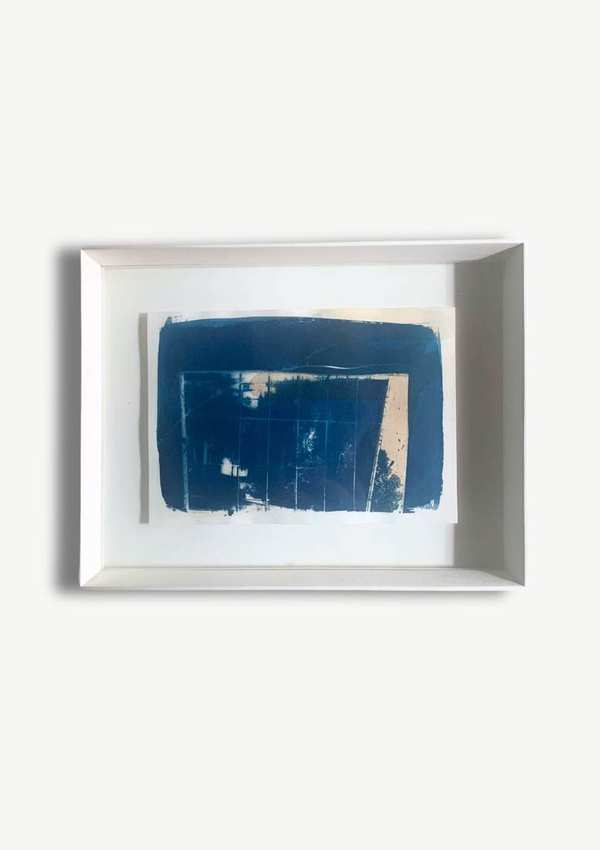












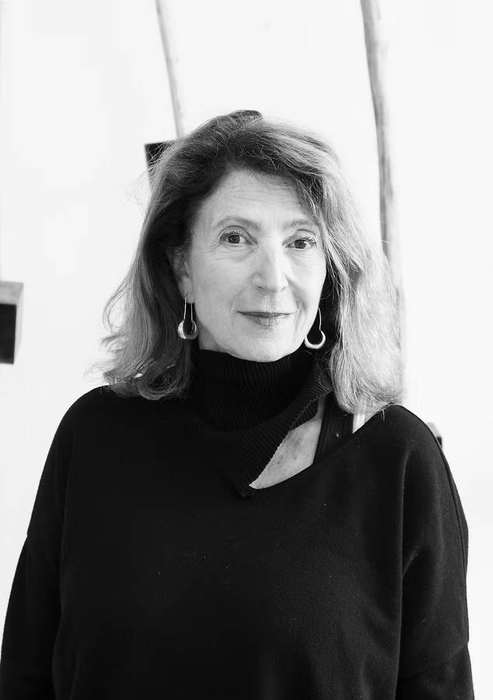
Kathy Robins’ work considers the experience of displacement and the loss of home.
Kathy’s practice moves across copper, cyanotype, ceramics, tapestry and sculpture, and one question runs through all of it: what happens to people when their connection to place is broken.
She works with natural materials and lets the process carry as much meaning as the image does. Copper oxidises and shifts. Cyanotype depends on sunlight, on exposure, on time passing. The materials themselves are unstable, and that instability is part of the point.
The concerns are not separate ones. Ecological breakdown and social fracture arrive together, and Kathy treats them as entangled rather than parallel. Her work sits with the physical displacement of people happening across the world right now, and with the quieter disconnection from land that runs alongside it. What emerges is less an argument than an attempt to stay with the loss and look at it properly.
Kathy has worked across community development, art, design and social activism for her whole working life. In 1999 she founded and built a Corporate Social Responsibility programme, and she still works on development initiatives today, including sustainable community garden and entrepreneurship programmes. That work is not separate from the art. Both come from the same interest in how people connect to each other and to the ground they stand on.
She holds a BA in Social Science from the University of Cape Town, a Textile and Product Design degree from Parsons School of Design in New York, and an MA in Fine Art from the Michaelis School of Fine Art at UCT. She lives and works in Cape Town.
Solo and collaborative exhibitions, installations and residencies. Select any to see the full write-up and images.
Solo Exhibition
Curated by Olga Speakes. Artwork photography by Mia Thom.
I view art as an expression of our current political, social, and ecological landscape. Technology has become integral to political and social power throughout the world and also impacts nature in various ways. The paradox of the vast and interconnected internet is that we are frequently exposed to curated slices of reality. Michael Shermer (2011) uses the term “patternicity” to describe how our brains search for patterns based on limited, and often erroneous, information. As these patterns explain our experience, they easily translate into beliefs. Algorithms determine how social media content is filtered, ranked, selected, and recommended. They create a tight channel of content consumption that reinforces fixed beliefs. This exhibition seeks to spark dialogue about the influence of algorithm on our perceptions and beliefs. In the same way that the valves of the heart regulate blood flow through our bodies, algorithms control the flow of information, influencing what we see and how we feel.
The work is inspired by the French philosopher Bruno Latour’s (2020) “Critical Zones.” An interdisciplinary advocate, Latour offers a reimagination of humanity’s relationship with Earth. Instead of attempting to grasp the vastness of nature, Latour advocates for a limited band of earth within which the complexity of all life exists. Acknowledgment of the complex and fragile nature of this thin layer inside which all life forms coexist means that we cannot endlessly extract resources and discard our waste. Algorithms filter our experience and confine us to echo chambers that limit our understanding of this essential complexity.
The interconnection between humans, plants, and animals informs my work and resonates with the framework offered by Latour. I use mixed media to explore the conditions that embrace complexity, as well as the conditions that restrict it. Artmaking invites us into reverie, imagination, and community. It frees us from the manipulation of life within the algorithm and reveals what is comforting, unsettling, and possible within our world. Natural substances within an alchemical process are used to activate the copper so that I have no control over the outcome and remain open to what emerges. The hardness of copper, mined from the earth and used extensively in technology, is juxtaposed with soft, hand-stitched fabric. Other materials include cyanotype; oil paint; brass; glass and paper.


Collaborative Exhibition
Sculptures by Kathy Robins. Environments by Ben Levinas. Soundscape by Gus Robins. Curated by Olga Speakes.
The explorative exhibition MASS is driven by a collaboration between artists Kathy Robins, Ben Levinas and Gus Robins. Bringing together sculpture, digital projections and soundscapes in one immersive environment, the artists draw on the mythology of Golem, a creature made of clay, which, according to the sixteenth century legend, is brought to life by a Rabbi and becomes a protective talisman for a community in peril.
Driven by a shared sense of societal and environmental precariousness, the project is an ongoing reflection of the contemporary moment where we become witnesses to the collapse of history, disintegration of human connection and threatening environmental disaster. The tension between the comforting but no longer assured solidity of matter and the daunting ephemerality of the digital world, which we are being absorbed into, provides the framework for the experience that this exhibition hopes to create.
Sculptural bodies emerge from the upcycled materials and the earthly textures of crete stone; they weather and transform as they decay while hinting at the possibility of a new life. Projected digital landscapes represent the fluid and ephemeral nature of contemporary truth and knowledge, and yet, bear witness to our ability to imagine and to will new forms of living into existence. The sound that envelops the space becomes the binding matter that brings all the elements together in a way that is as material and embodied as it is transient and ethereal.
MASS was a pop-up exhibition that is in development for future showcasing on a larger scale.


Solo Show
Curated by Olga Speakes.
Borne out of conversations with nature, Kathy Robins’ practice seeks to map out a different mode of relating to the natural world that involves gentle listening and intimate connecting rather than domination. Re-tuning and re-turning to nature as our guide creates conditions for healing that are as important for our suffering planet as they are for the humans inhabiting it. A series of sculptures, works on paper, and installations, presented throughout the Creation Wines estate, invite visitors to pause and consider the deep connections to the landscape around them.
Taking inspiration from the imperceptible but often unrelenting power of nature, Kathy explores how even small acts of conscious and respectful engagement with our environment can have the potential to generate change.
Works in this exhibition

This work was created with Future Fossils in mind. The robot represents society moving into the world of AI, yet we are presently dealing with the remnants of discarded, outdated technology. Due to lack and mismanagement of resources, we cannot keep up with our own progress. The geyser that can no longer contain or warm calls to the urgency of our natural resources running out. Strategy and tools, like the compass and wheel, are required. Where is it all going? What are we moving towards?


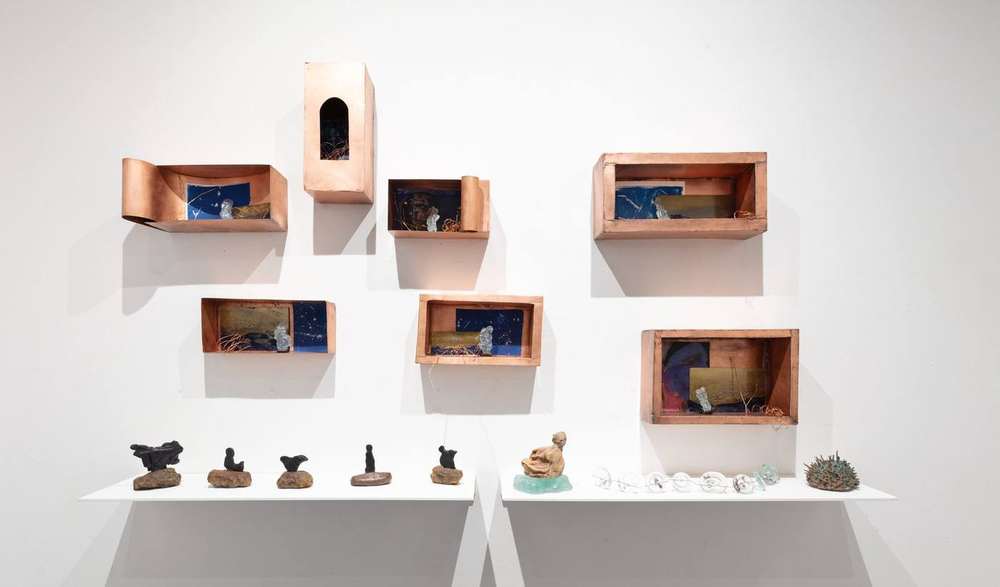
The process of moving through or past somewhere on the way from one place to another. Copper is an alchemical mineral — it changes according to the environment and elements it is surrounded by. Another resource becoming scarce due to its high demand in the manufacturing of future technologies. We are looking for a passage towards a better solution, a return to a more sustainable way of living. What does a passage evoke in the spiritual and physical?


Two people can look from either side. The kaleidoscope magnifies our vision outwards, shifting our perspective of our world and surroundings. Seeing in a different light presents us with the opportunity to connect and return to a grounded way of life. Seeing eye to eye. What are we looking towards?


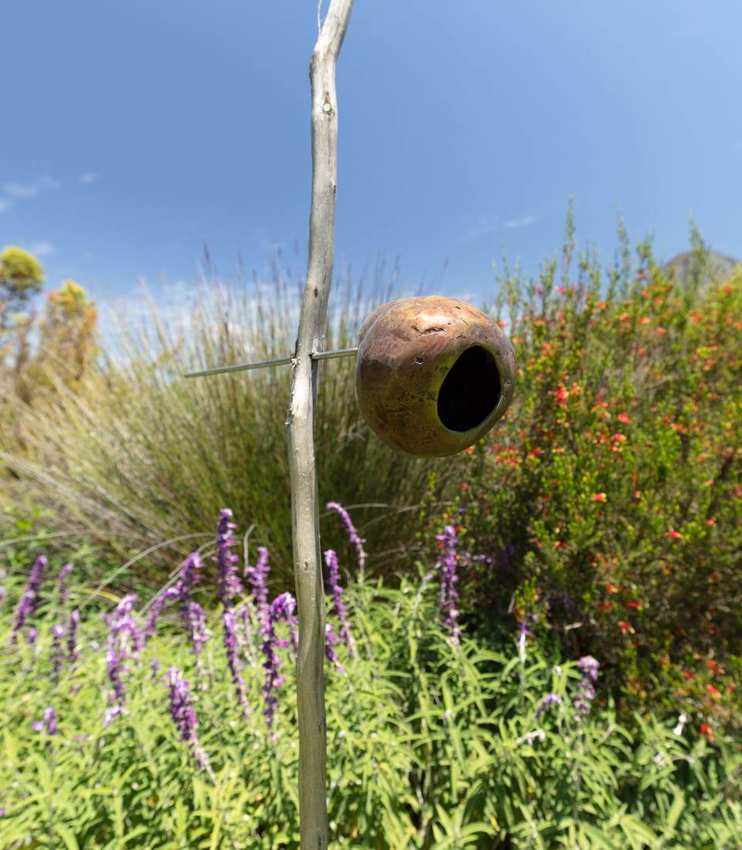
A temporary shelter for some, a home for others. In the way that children build forts for play and birds build nests for breeding, the pods represent the transitory nature of sanctuary and the universal concept of home.


The structure of this work sits within grids, used both metaphorically and physically as a reminder of the blockages and closed borders for people on the move, as well as the contemporary rise of nationalistic voices upholding the divisions that dictate relationships between people and space. Overshadowing this too is the upheaval of our climate and the sense of loss imbued within it. Recognition of the fluidity of physical movement of peoples across the globe, and shifting perceptions of human relationship to environment, home and community, requires reordering of both physical and mental constructs.


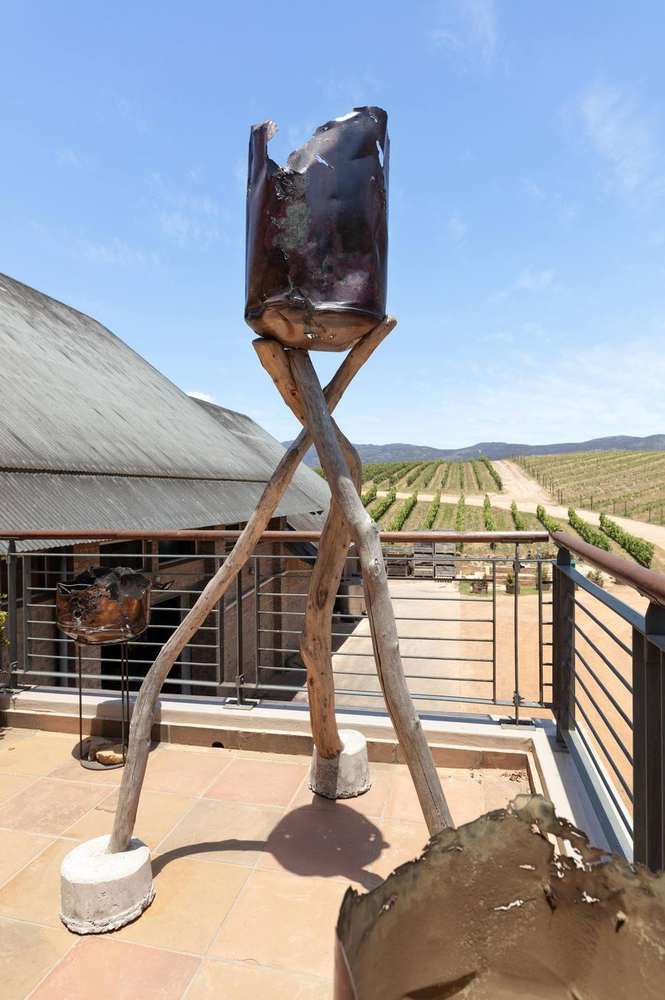
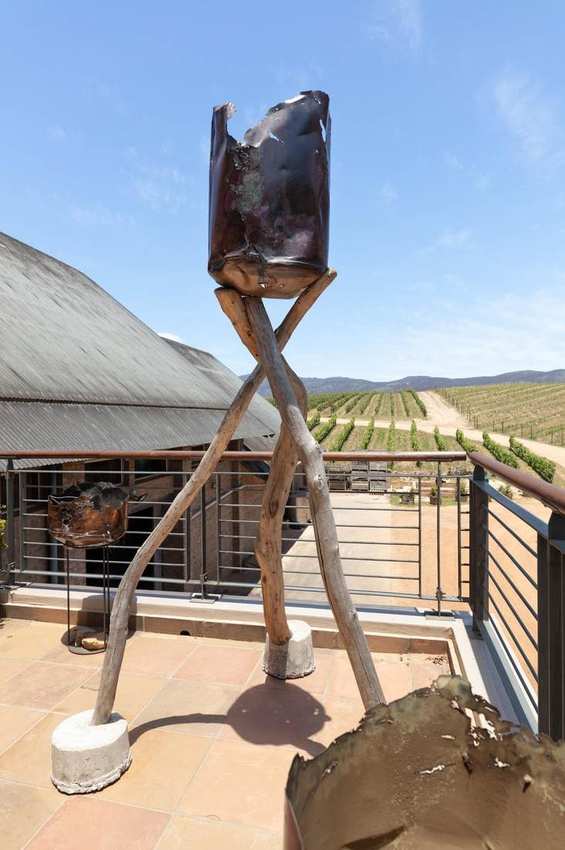
This series of outdoor and indoor sculptures is crafted using discarded copper geyser bowls. The full life cycle of the object is recorded on its surface — from highly polished material used in technology, meant to bring comfort and warmth into our homes, to signs of oxidation and decay. Placed within the natural environment they lose their utilitarian function completely and serve as relics of the lost human world. The copper bowls hold the echoes of the lost worlds of water in their rigid embrace, reminding us of the preciousness of an element we used to take for granted. This series is a meditation on how letting go of the extraction mentality may bring us closer to a harmonious relationship with the natural world.


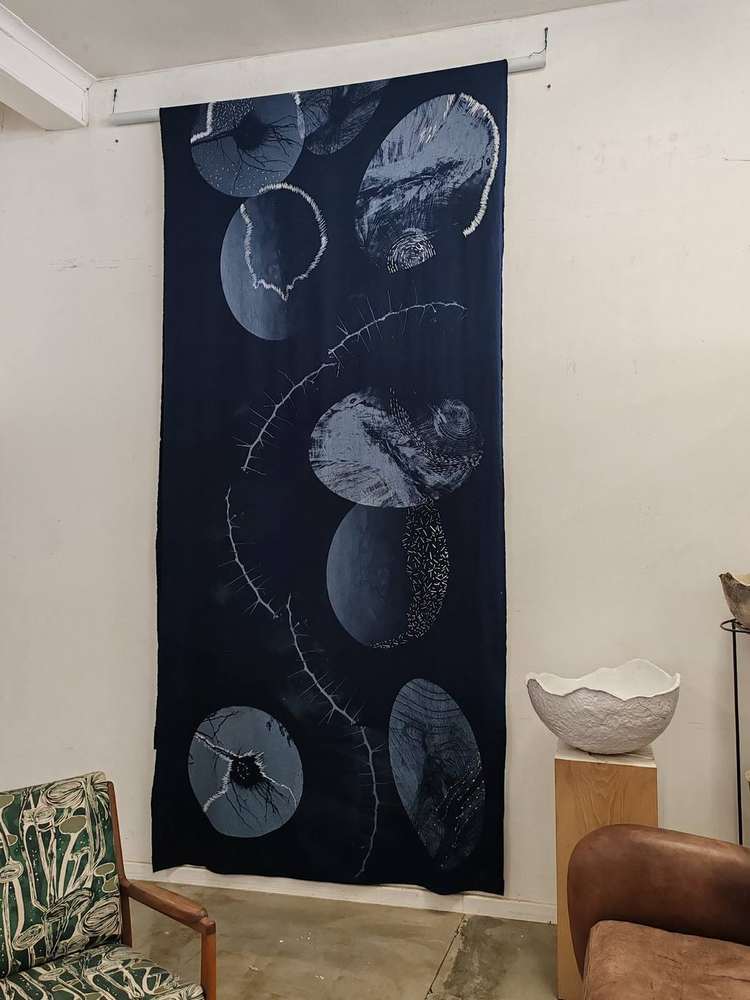
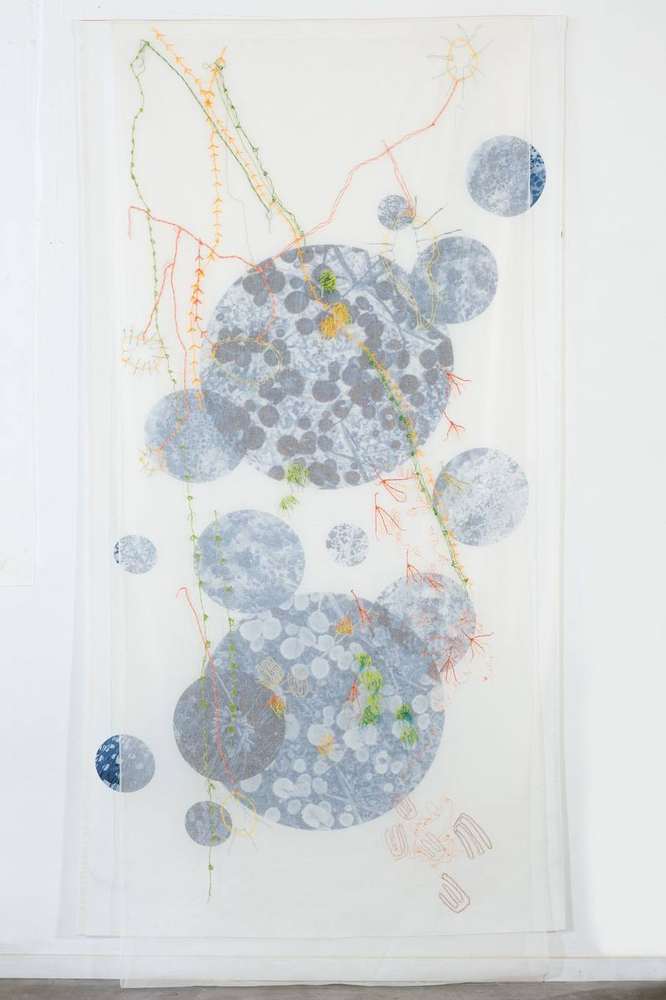
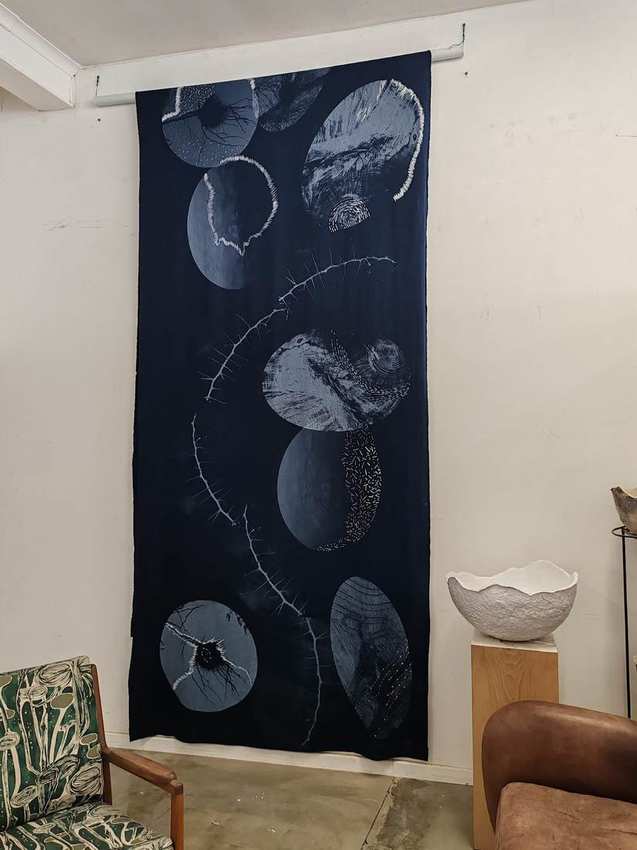
In collaboration with Arielle Robins, Cathy Stanley and the elders of Mount Pleasant, Hermanus. These wall hangings incorporate elements of photography, embroidery and upcycled materials, made in collaboration with a local collective of seamstresses and embroiderers together with Community Work Programme members from Mount Pleasant. Aerial images of the farmlands are rendered in indigo blue on light cotton, akin to melancholic archival photographs that attempt to pause the passage of time. A light, floating top layer of gauze-like fabric carries embroidered marks reflecting the irregular, incidental traces of nature — nature drawing its curtain over human history. Some panels feature shimmering discs sewn into the pattern: foil cut-outs from used coffee pods, upcycled into an artwork material as evidence of our agency to make the right choices for the future of our planet.


Includes Creation III, already catalogued in Works under Sculptures.
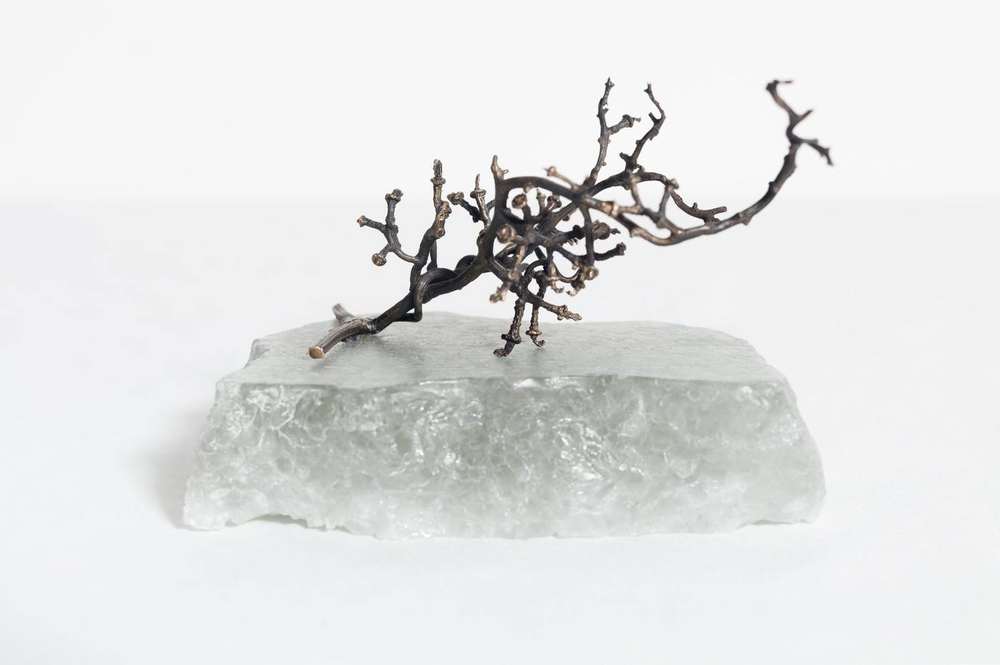
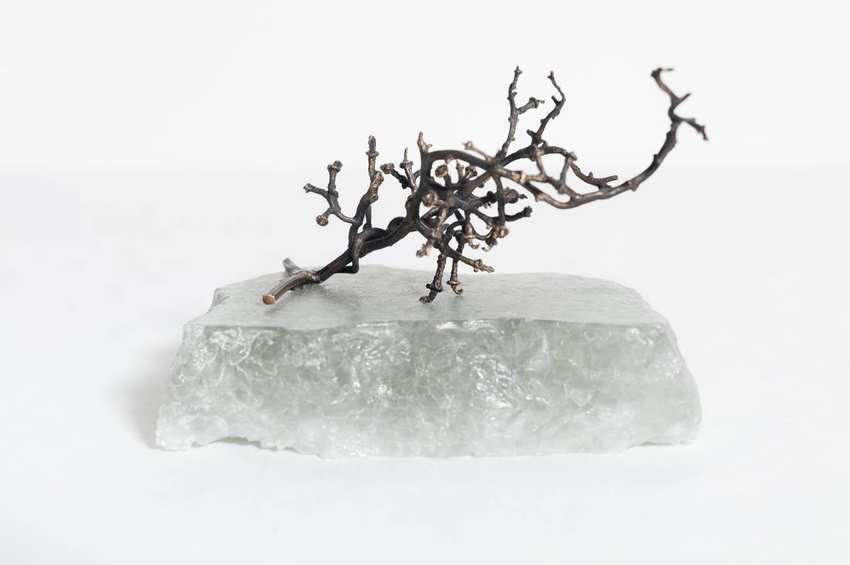
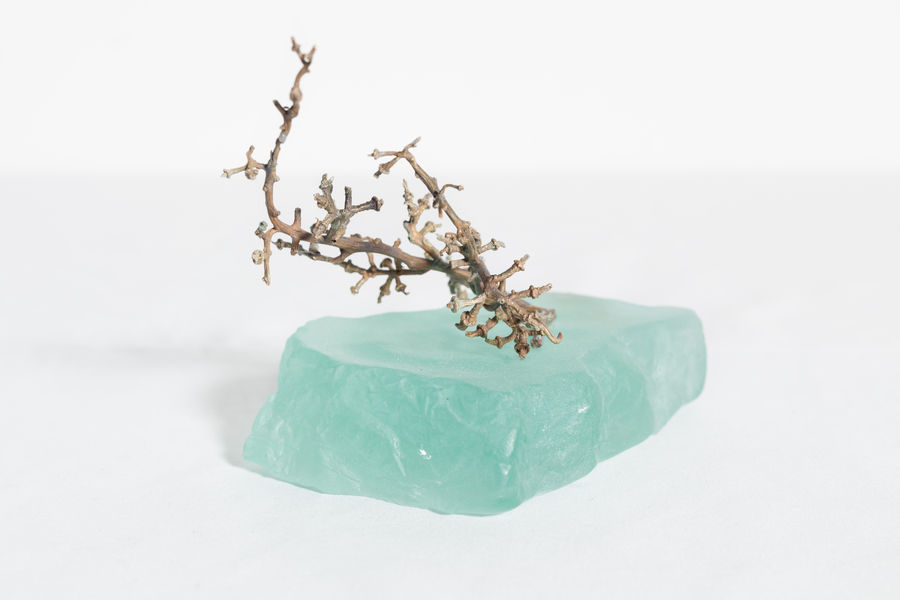
Reflecting on the Creation Wine Estate, its terroir and land, Kathy took inspiration from the humble grape stalks left over from the wine-growing and winemaking process. The delicate, strong stalks are cast in bronze and mounted on either local rock or melted glass up-cycled from used wine bottles. Each stalk is unique in its design, a reminder of the infinite resourcefulness and variety encoded in the natural world, encouraging the viewer to be mindful of their own consumption.




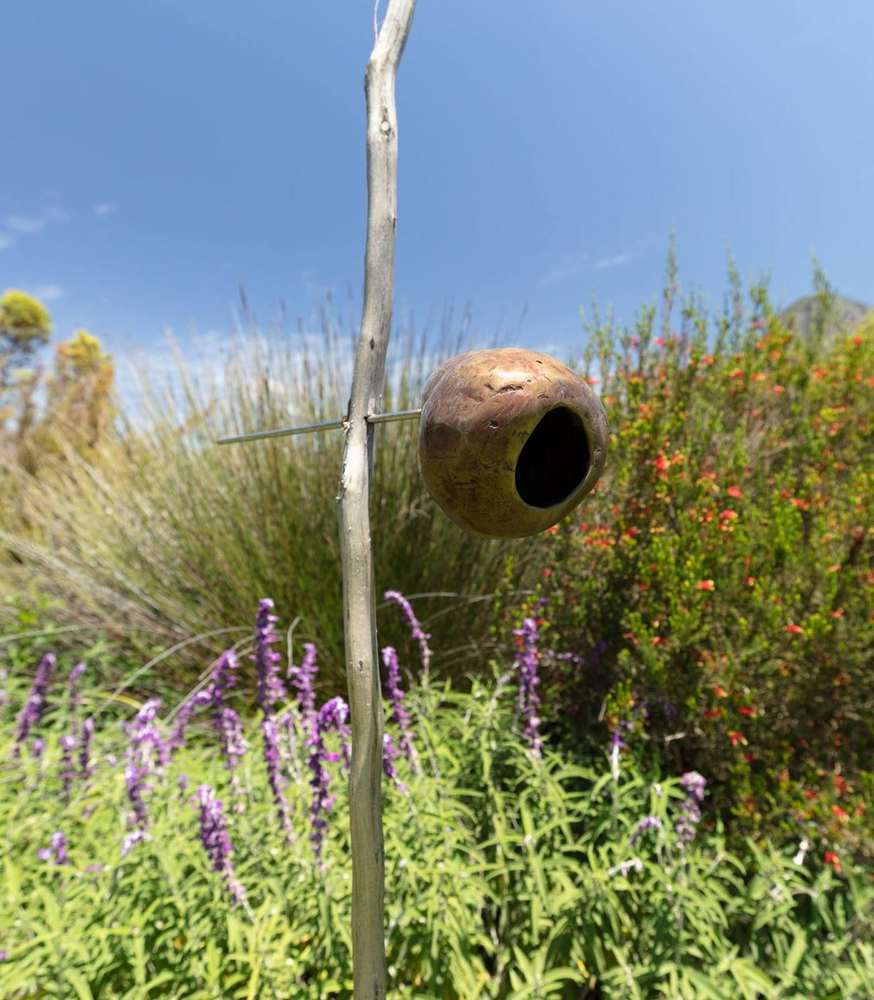
This bronze and wood sculpture is both an aesthetic object and a practical one, finding its place in the natural cycle of life — providing a source of water for wildlife and inviting us to contemplate its beauty and the fragility and vitality of birds invited to quench their thirst.


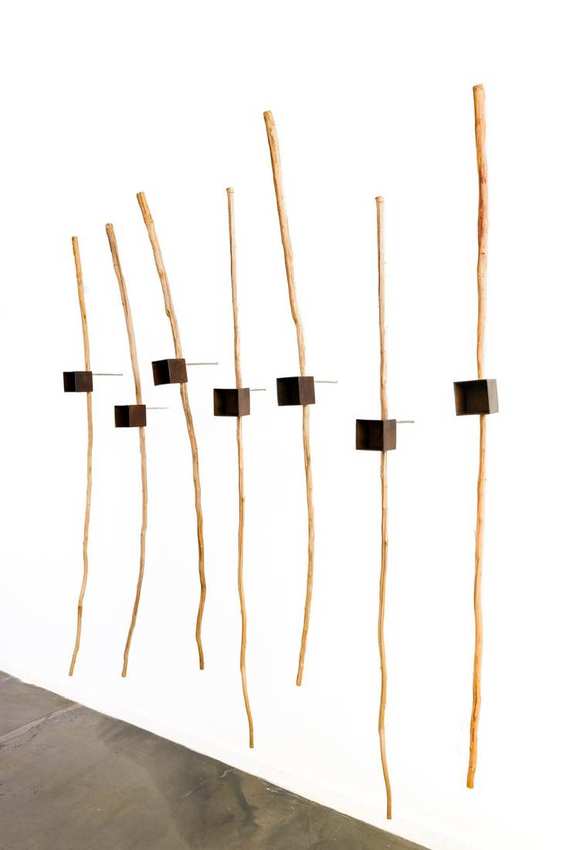
Guardians combines natural materials — tree and shrub branches — with clay and bronze amorphous figurines that cling to their wooden hosts and can fit in one’s hand. Inspired by the character of golem from Jewish folkloric tradition, these small talisman-like objects speak to a universal search for a place of refuge from a world in crisis. In Kathy’s installation they appear as a flock of migratory birds, fleeting and impermanent dwellers of precarious spaces — their fragility speaking to our own vulnerability in the face of environmental disaster.


This bronze, stone and wood sculpture is both an aesthetic object and a practical one. Playing with different elemental forces, the work gently steers us away from a quest for precision and perfection towards the world of nature and imagination — where getting lost is the surprising route for finding answers.


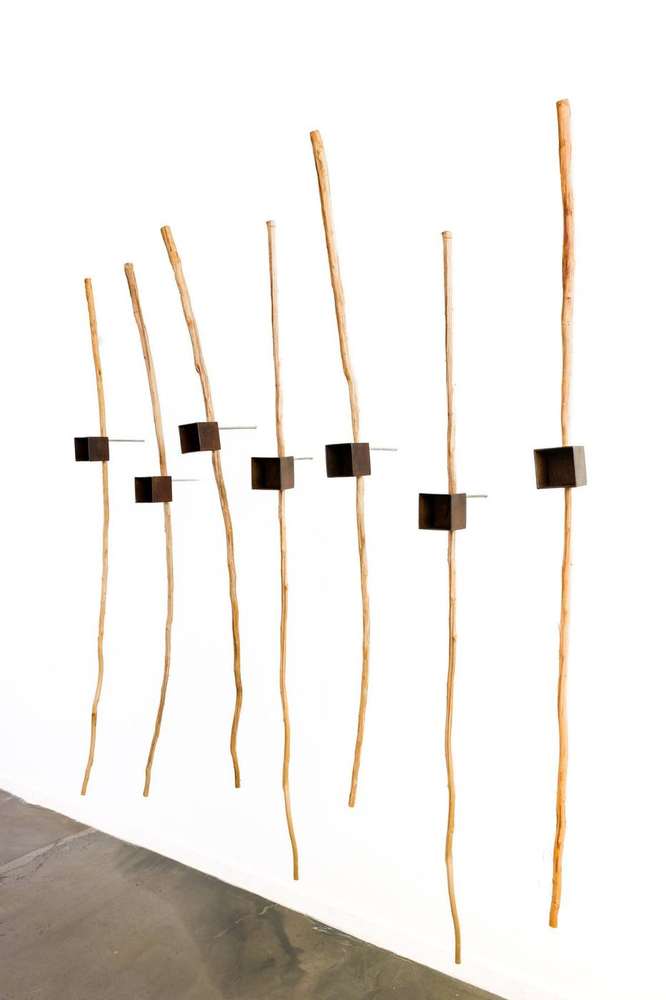
Water Towers is a series of sculptures created using scraps of copper sheeting from disused water boilers. Copper has become scarce and valuable, obsolete in domestic infrastructure yet in high demand on the secondary market — often subject to theft and vandalism, reflecting the social problems endemic in societies with high levels of inequality. Scrappy, incidental and yet purposeful, the series reminds us that upcycling and repurposing are a way of life for many people in their struggle for economic survival, and are becoming central to our environmental survival too.


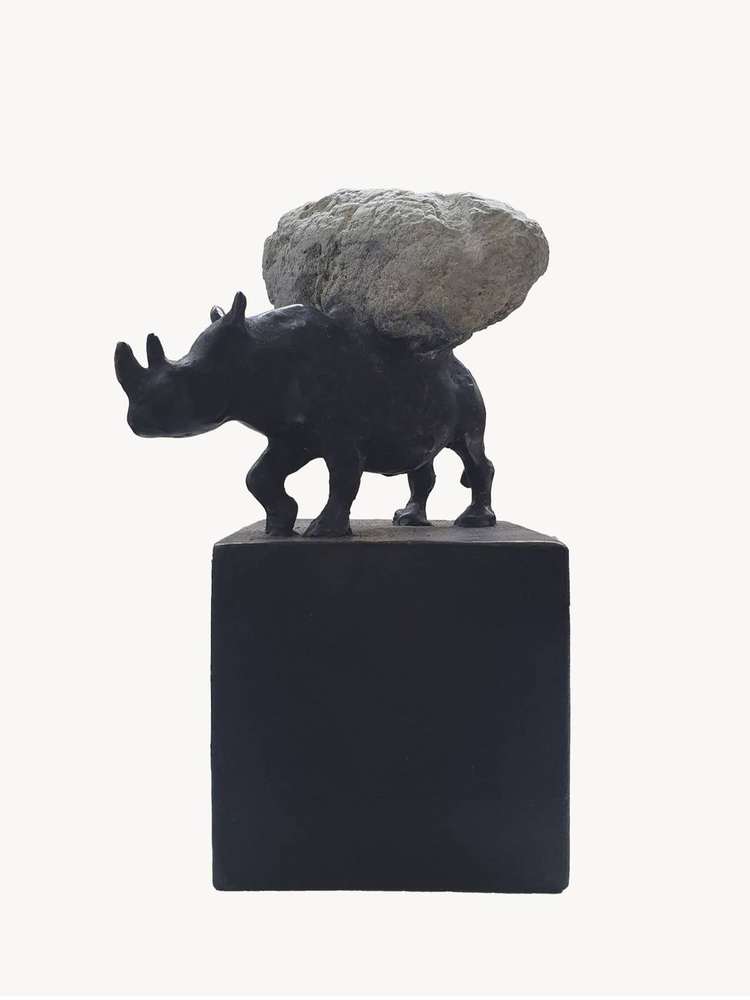
This series of sculptures reflects on the transience of different forms of life and their metamorphic nature. Half object, half living being, they are unclassifiable — encapsulating prehistoric moments that predate known life forms, while pointing towards forms that have gone extinct before being born. Caught between past and future, frozen in an incomplete transition, they intrigue while warning us of the dangers of escalating extinction: a disconcerting look into a possible outcome of ecological self-destruction, from a future we may or may not inhabit.


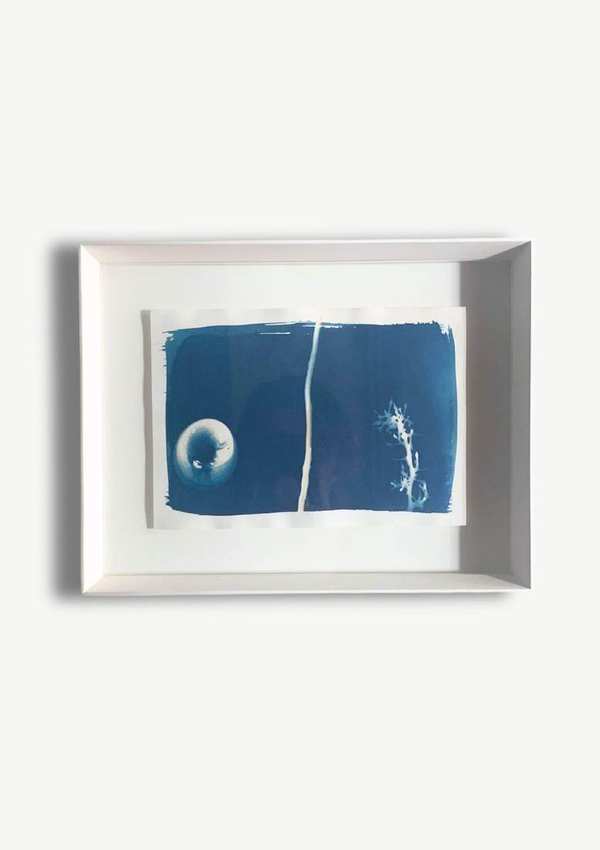
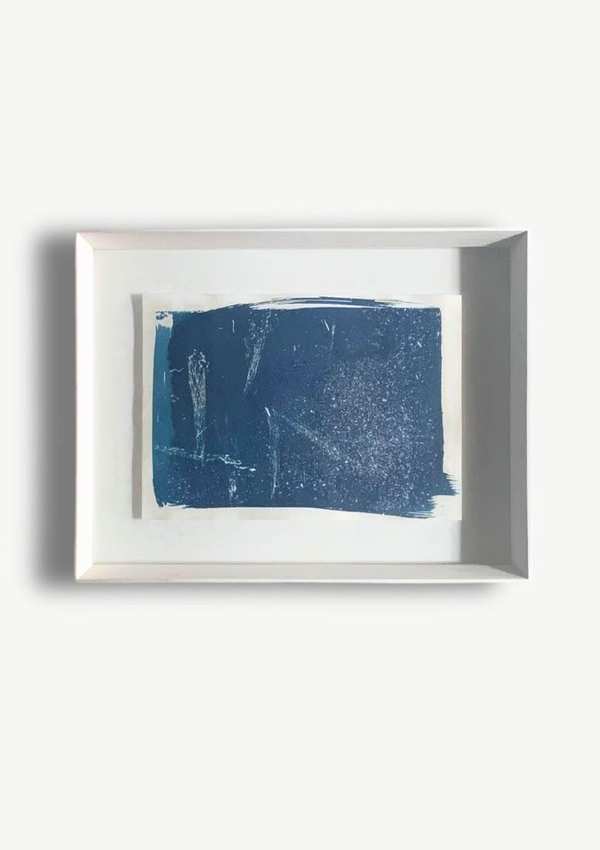
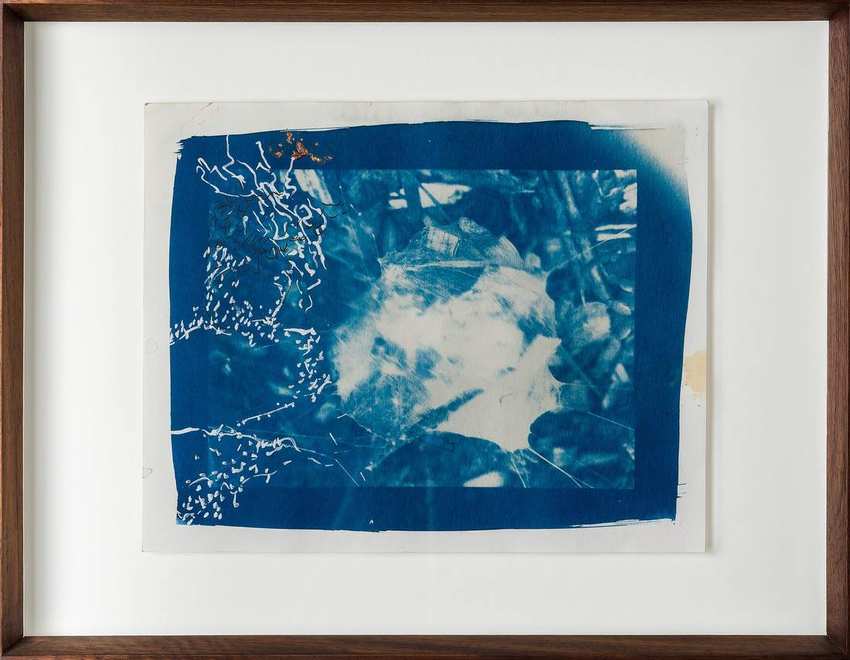
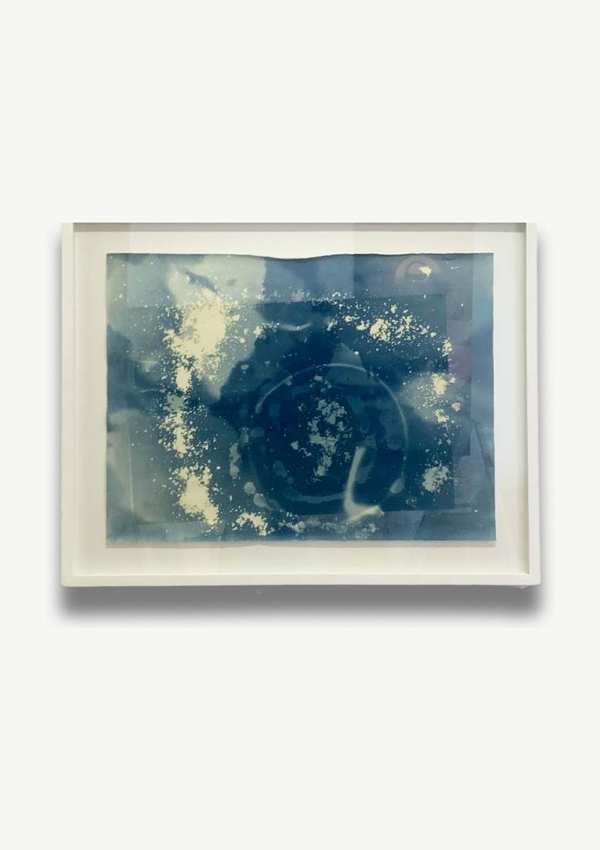
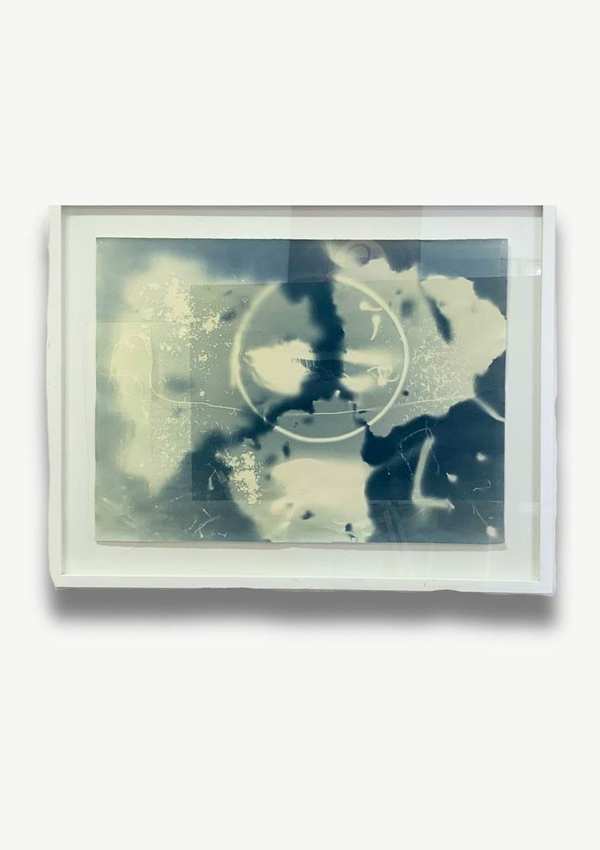
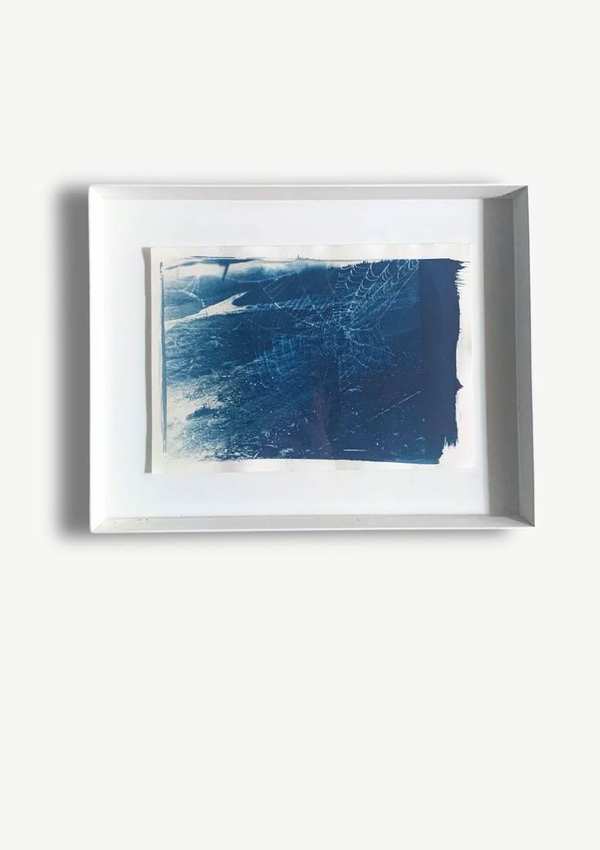
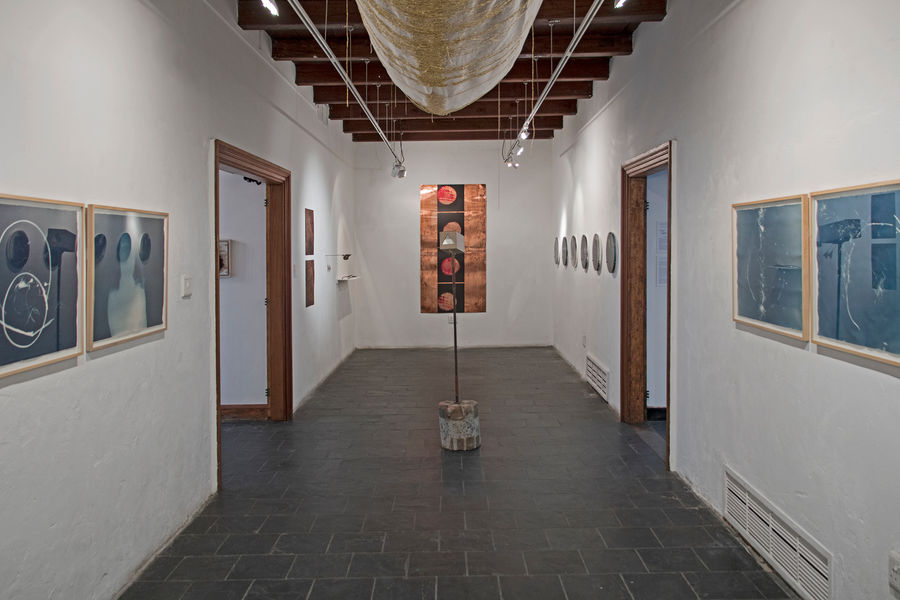
Using the characteristic Prussian blue of the iron-based pigment, this series of cyanotypes finds visual form for the conversation between the macrocosm of the universe and the microcosm of the intimate little worlds that fill an everyday life — from garden to studio. The result is a collection of prints that functions as an archive, a forensic yet emotionally laden look at the world, its elements, and their fragility and chance. Some prints are paper-based and some are made on cotton fabric, its granularity adding textural warmth and another dimension of tactile experience.
Three sub-series make up the body of work: Lost (I–VII), cyanotype on cotton fabric, 40 x 33cm each; Seen (I–VII), cyanotype on paper, 37.5 x 29cm each; and Trace (I–XI), cyanotype on paper, 29 x 23cm each. Several of these works also appear individually in the Works catalogue under Cyanotypes.


Turning to photography and collage as repositories of memory — both human and encoded in our natural and built environments — this body of work merges elements of the human and natural worlds, using the natural ability of copper-based printing to introduce the sense of time into the visual representation. Where To (2018, Ed of 3, print on sheet copper, 200 x 100cm) was also exhibited in the Ninety One Collection in London. Elemental (I–VII, 2022, sheet copper with aluminium-channel backing, 50cm diameter, Ed 1 of 3) continues the series.


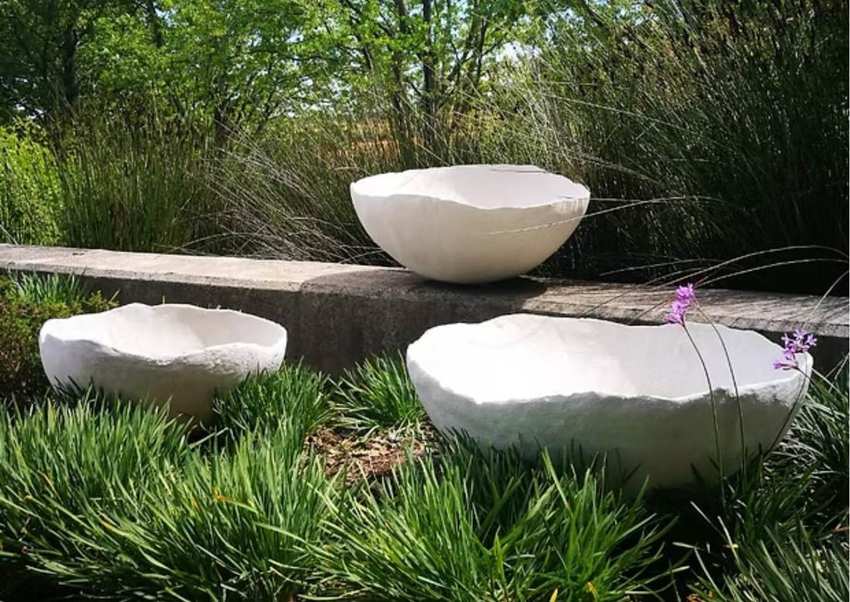
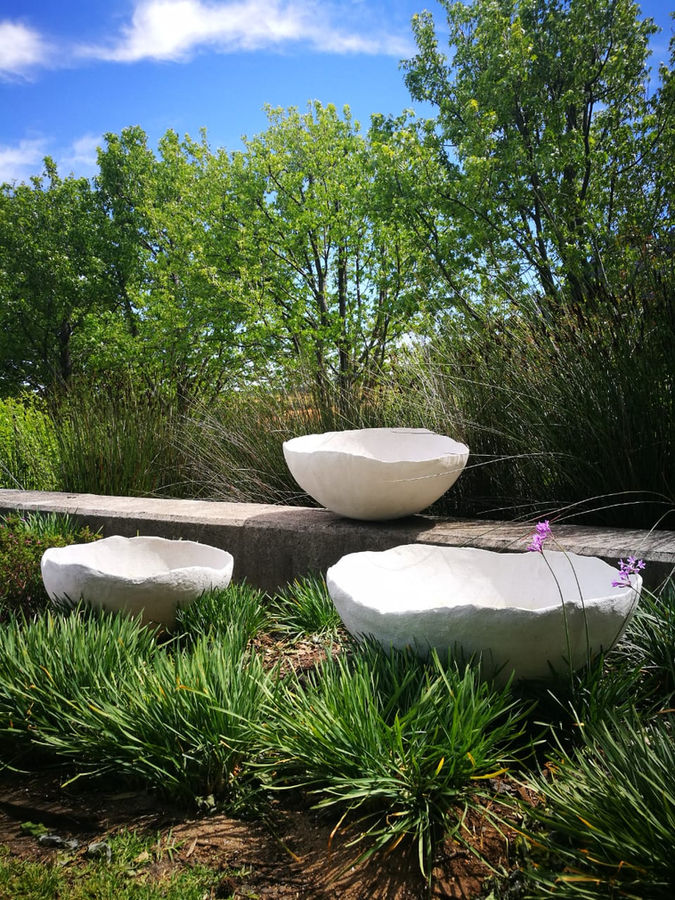
These kiln and pit-fired clay bowls combine the perfect lines of a partial sphere with the veil-like, melancholic marks of smoke they were enveloped in during firing. Water, earth, fire and air are all brought into play in these human-made vessels — the natural and human worlds often at odds, but here working together under a gentle hand, resulting in beautiful, fragile creations.


Installation Piece
Collaborators: Rabbi Greg Alexander, Carol Hofmeyer (Keiskamma Art Project), Cathy Stanley, the Keiskamma Art Project embroiderers, Gus Aaron Robins.
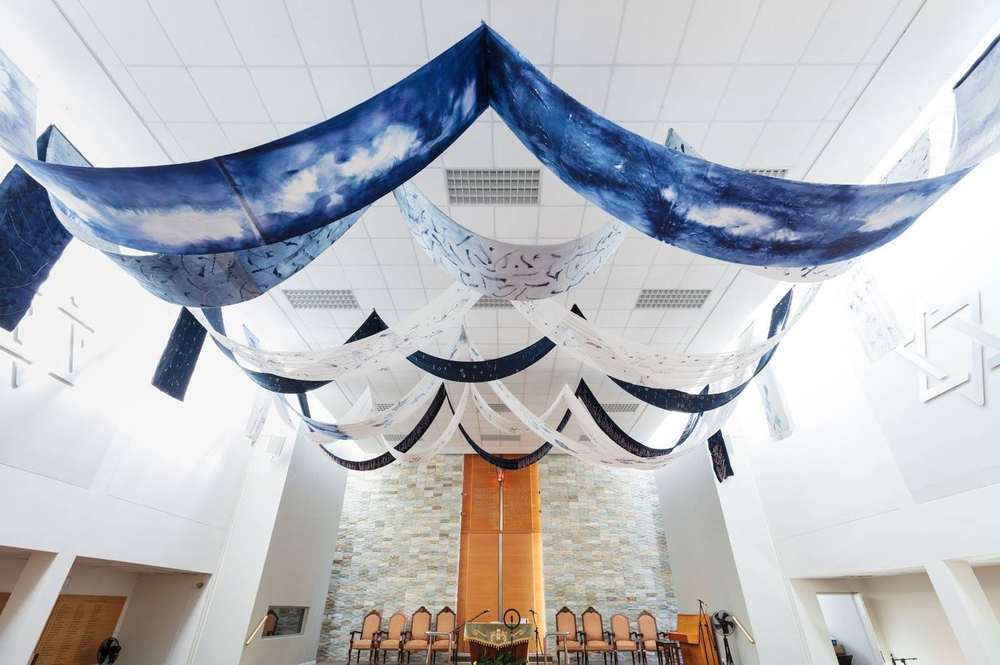
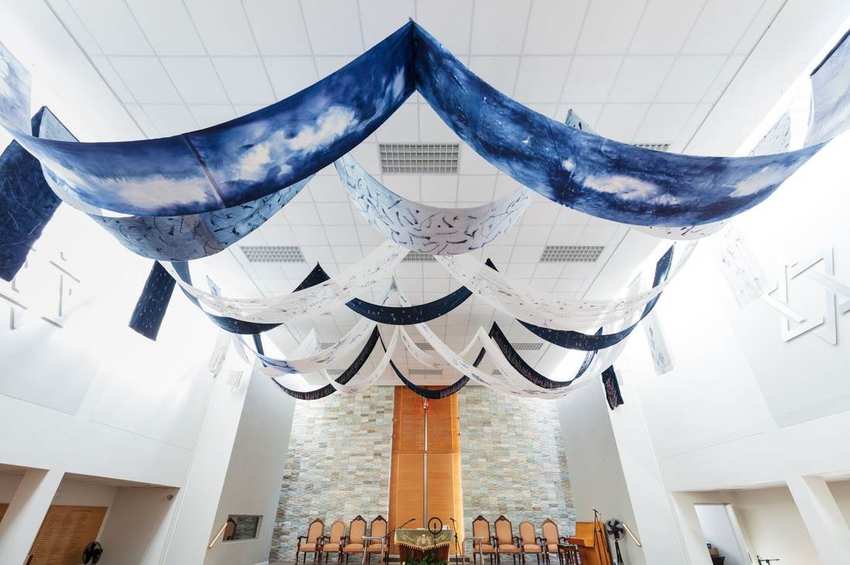
Exhibited for the first time at Temple Israel, Wynberg, 7 Days is a collaboration between Kathy Robins, Rabbi Greg Alexander, Carol Hofmeyer (founder of the Keiskamma Art Project), Cathy Stanley (coordinator between Keiskamma and Robins) and the Keiskamma Art Project embroiderers.
The seven-day Judaic Creation myth constitutes a historical and theological jumping-off point for the piece, a collaborative project that considers pressing contemporary crises, most notably the social and environmental impact of climate change and the universal urgency this crisis requires. In its materiality and form, the work is intended to prompt reflection on human questions of home, transience, creation and connectedness that transcend social, religious, economic and other divisions.
The seventh fabric, the day of rest, is the visual manifestation of sound waves of the core prayers of three major religions: Judaism (the Shema), Islam (Adhan, the Call to Prayer) and Christianity (the Lord’s Prayer). As the final work on show, this interfaith piece whispers of the unifying, healing potential of tolerance and compassion across boundaries.


Installation / Development Work
Production team: Peter Templeton, Juan Snyman, Mandy Morton, Aidan Morton, Brendon Clack, Martin Wilson.
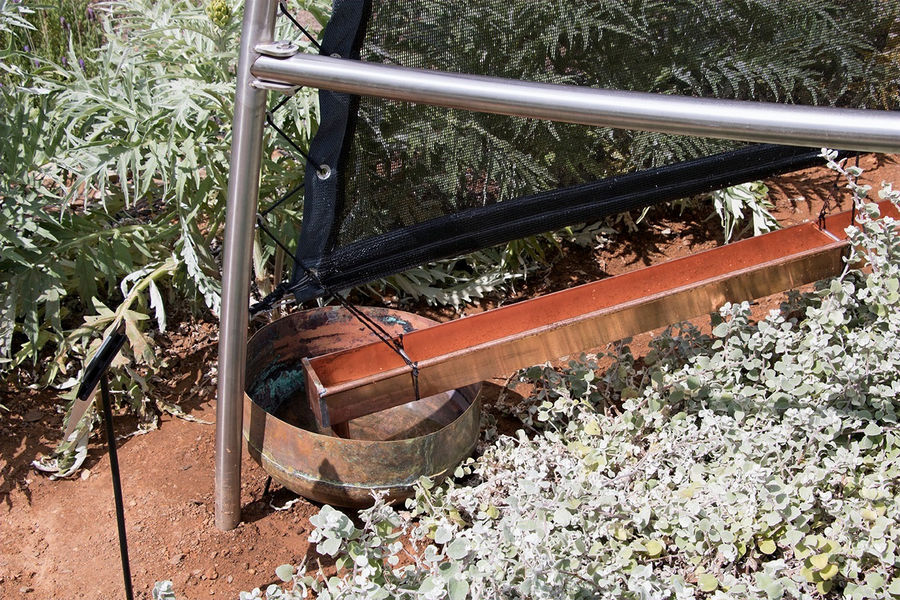
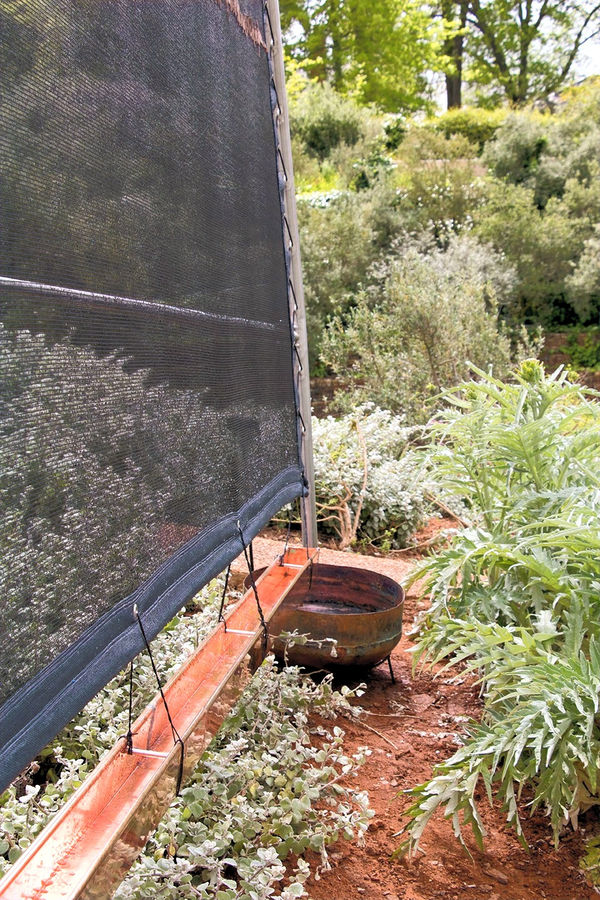
In response to increasing water scarcity both globally and in South Africa, the Fog Catcher has been designed with the potential to be both a functioning system of atmospheric water harvesting and a conceptual investigation into human relationships with vital natural resources. Drawing on existing dew and fog catcher designs, it works by being placed as high as possible above sea level; condensation collects on the fabric, which then drips into a collection tray and is funnelled into a closed tank for future use.
An initial design was created for Design Indaba 2017. A second iteration, shaped specifically to mimic the natural curves of the surrounding valley, was installed in the gardens at Tokara Wine Estate. In this version, copper thread embroidery visualises a sound wave produced by recording dripping water. Copper is a trace mineral found in all body tissue and, alchemically, is associated with healing, with rapid and broad-spectrum antimicrobial efficacy against some of the most toxic bacteria, fungi and viruses — giving the harvested water some of these microbial properties for use on herbs and vegetables, minimising the need for agrochemicals.
While Fog Catcher has practical applications that are not insignificant, it is also a conceptual attempt to capture that which is ephemeral and fleeting, encouraging reflection on the human (ab)use of natural resources and calling for sustainable solutions to environmental disequilibrium.





Curated Collection
Curated by ARTIQ. Featuring 28 South African artists.
Curated across six floors within Ninety One’s London office, this collection celebrates the work of twenty-eight South African artists identified as rising creative talents within their community, intended to be received as a bold, captivating and expressive experience, an open window looking directly into the heart of South Africa’s artistic landscape.
Kathy Robins’ Where To, Ed 2 of 3, was included in this collection.

Collaborative Exhibition
Group show featuring 32 South African artists.
Through Snapshot and Homing Series, Kathy’s work in this group show continues to engage with issues of displacement and home in the context of entangled contemporary ecological and socio-political issues. Using natural materials and forms, the work considers processes of human connection and interaction with the natural world — engaging with materials and processes that echo issues of displacement and longing for a lost connection amid the international, physical displacement and social disconnection of people from land and from each other.
More recently, Kathy has been challenging herself to use primarily non-toxic and renewable materials while highlighting their intrinsic beauty, speaking to larger environmental concerns that threaten the survival of the planet. In the work, the fragility of the natural world leads the viewer to reflect on the fragility of human life and the struggles of individuals and communities on the margins of social existence, aiming to create a space for re-connection with nature and paths to coexistence and mutual respect.


Collaborative Exhibition
Group show of South African clay and ceramic artists.
Elements, Kathy’s work in this group show, reflects an ongoing questioning of where we are in the age of the Anthropocene — the present geological period in which human activity has been the dominant influence on the environment. Given the pandemic and the ensuing national lockdown in South Africa, an inability to find an operating kiln redirected the work to the elements at hand. The sculptures are made using unfiltered clay from De Bosdam, a collaboration with sun, water, air and earth — precarious and fragile in its unfiltered state, a symbol for the fragility of our own bodies, lives and world.
In their seeming incompletion, these works rebel against the perfection and structure often implied in ceramics. As products of experimental yet serious play, they speak of impermanence and change, honest in their materiality and transience. Some sculptures are non-vessels, constructed from roots and plant material held together by cobbing, an ancient technique mixing mud, plant matter and water into a concrete of sorts — broadly considering the concept of home in the context of displaced populations and the potential for non-invasive building materials.


Collaborative Work
Collaborative video work in a solo show by Sepideh Mehraban. Audio recordings in collaboration with Gus Aaron Robins.
Sepideh Mehraban’s collection, her first solo show in Cape Town, featured eight works of mixed media on found carpets, drawing its name from a line in Chinua Achebe’s Things Fall Apart. The series focused on recent Iranian history, explored through text, figurative works and abstraction, often drawing on the grid format of newspaper as a source of inspiration.
Included in the show was a video piece made in collaboration with studio mate Kathy Robins, delving into issues of environmental, land and socio-political significance in post-apartheid South Africa and post-revolutionary Iran. The artists drew from Persian paintings, hunting scenes from ancient manuscripts, and their own personal histories to narrate the contemporary issues of both countries and stage an animated parody on propaganda and censorship.
Collaborative Exhibition
Group show of self-portraits, multiple South African artists.
A group exhibition of self-portraiture bringing together multiple South African artists at Gallery at Glen Carlou.


Collaborative Exhibition
Curator: Azu Ngwagbogu. Assistant curators: Precious Mhone, Gcotyelwa Mashiqa. Exhibition featuring 40 contemporary African artists.
This exhibition explores the different ways artists, performers, writers and architects tackle the complexities inherent within the dual concepts of Utopia and progress — exploring emergent spaces that exist both in the realm of the mind and in the physical unknown, pointing critically to the mirages, metaphors, stereotypes and matrixes of progress.
Through the works of contemporary artists from Africa and its diaspora, the exhibition engages with the phenomenon of travel and migration through imagined, alternative realities referencing both fixed and immaterial locations.


Collaborative Exhibition
Collaborators: Olivié Keck, Sepideh Mehraban. Programming: Evan Greenwood. Sound: Jason Sutherland (Free Lives).
Between Homes, Between Forms, Between Languages, a virtual reality experience featured in The Main Complaint, is a collaboration between three artists — Olivié Keck, Sepideh Mehraban and Kathy Robins — responding to current issues around diaspora and the concept of home, using the digital medium of VR to translate these ideas from the physical world into an immersive digital landscape.
The Disco Of Dying Languages portrays a tribute to dying and extinct languages, using the format of a disco, synonymous with celebration, to remind the audience that the past informs the future. The Universal Declaration of Human Rights responds to the 1948 Paris manifesto, translating the text into VR as a reminder of a promise not yet achieved. Homage begins with the viewer entering through a neon-lit tunnel with the sound of water, a sensual experience referencing climate change and the physical elements of earth, water, air and fire.
Coming from Africa and the Middle East, the physical world, the artists claim no ownership over the digital realm — an infinity space that belongs to everyone, without boundaries, limitation or territory: a new frontier to explore a brave new world.


Solo Exhibition
Curator: Ilse Schermers Griesel.
Inspired by Svetlana Boym’s The Future of Nostalgia and The Off-Modern, this work explores the process of replacing a world of environmental upheaval, war and economic displacement. Etymologically, the preposition “off” refers to that which is “of”, “from” or “away” — a small linguistic gift co-created by people located outside dominant languages over the past two centuries: immigrants. It suggests lives lived on the periphery, in the flux of unexpected transition, where connection to a physical place or home is replaced with more abstract questions of belonging.
The structure of the work sits within grids, used both metaphorically and physically as a reminder of the blockages and closed borders for people on the move, and the rise of nationalistic voices upholding the divisions that dictate relationships between people and space. Overshadowing this is the upheaval of climate and the sense of loss it carries. Crossing borders, both physical and ideological, requires the navigation of grids or terrains into which one is grafted but not fully accepted or rooted — a reordering of both physical and mental constructs.




Collaborative Exhibition
Curator: Sepideh Mehraban.
Cape to Tehran presented a re-imagining of personal history in post-apartheid South Africa and post-revolutionary Iran, featuring a diverse selection of artists primarily from South Africa and Iran grappling with the complex histories and traumatic legacies of both countries. Rather than a singular narrative, it staged a robust conversation between artists from different generations and geographies, contrasting personal encounters of socio-political turmoil as a means of reflecting rather than simply representing experiences of conflict and change.
Kathy Robins exhibited two works: Free Soil (soil, clay, crete stone and egg boxes) and Refuge (hay bale, cobbing materials, soil, lime, sand and stones). Referencing ancient construction techniques in which sun-dried bricks are made by mixing hay, lime, sand, clay and water, the works’ inherent binaries of durability and ephemerality, and reference to make-shift homes and the scale of the human body, bring to the fore questions of human and environmental transience, placelessness, and connection to land and space.


Artist Residency
In keeping with an interest in land and natural resources amid ecological crisis, the Four Buckets project and Fire and Ice work completed as part of the Arteles Residency reflect on water as a scarce natural resource. Working from Cape Town, where a severe drought was underway at the time, Kathy engaged with water in its many states, using an alchemical process to investigate how humans interact with surrounding resources and how stories and histories are tied up in natural materials.
By subjecting water to different processes of freezing, melting and saving, questions of displacement and transient yet meaningful human connection to place through natural materials arose, part of a continual investigation of the interconnectedness of personal, collective and natural histories that challenges the environmental and social crises of the current moment.

Collaborative Exhibition
Featured artists: Ben Coutouvidis, Kathy Robins, Rosemary Joynt, Alet Swarts, Jaco Sieberhagen, Mark Rautenbach.
For the Spring show at Eclectica Design and Art, the theme centred on the imagined binaries of dream and reality, the practical oscillation between visual, verbal and textual, exploring the revolving understandings of contemporary art practice in a world situated on the edge of a precipice.
The balancing act of where to go from here, as the drama to remain relevant builds tension, leaves it to artists, as problem-solvers and future thinkers, to visualise possible dreams into realities.


Collaborative Exhibition
Curator: Mari MacDonald.
A group exhibition at the South African Jewish Museum, curated by Mari MacDonald.


Collaborative Exhibition
Group exhibition at the AVA Gallery, Cape Town, taking displacement as its central theme.
MFA Exhibition
This project attempts to tie together different threads of personal experience, beginning with the memory of looking through the garden fence and hedge of childhood, and considering the simultaneously separate and enmeshed lives of immediate family and those outside it. The garden becomes a point of connection, a means to consider more Edenic, sustainable futures rooted in concepts of care — an investigation central to the research behind the work. Under the harsh structures of apartheid, the natural world carried on despite social and environmental restriction, and the work is primarily interested in human experiences of care, belonging and relationship against the backdrop of migrancy, the displacement of discarded people to infertile land, and the loss of indigenous cultures and natural areas.
The intention is for the viewer to be reminded of the unending cycles of nature — seasons, joy, nurturance and recurrence — in their silent yet peripatetic way, recognising the spiritual essence of the world as separate from humankind’s inhumanity to each other. In a contemporary context, the prevalence of people displaced across Africa into South Africa demands a closer consideration of human connections to land, as does the crisis of Syrian migrants in Europe and the ethnic xenophobia that followed.


Collaborative Exhibition
Group exhibition at the Michaelis Galleries, UCT.

Collaborative Exhibition
Group exhibition at the AVA Gallery, Cape Town.